What Is a Fashion Photographer?
Have you ever flipped through a glossy magazine or scrolled through an online fashion campaign and wondered who captured those striking images? Behind every stunning photo of runway looks or editorial spreads is a fashion photographer. This creative professional blends art, technical skill, and storytelling to bring clothing and accessories to life. But what exactly does a fashion photographer do, and why is this role so important in the fashion world? Let’s take a friendly deep dive into the exciting and ever-evolving career of fashion photography.
Understanding the Role of a Fashion Photographer
A fashion photographer specializes in photographing clothing, accessories, and models for magazines, advertisements, e-commerce sites, and runway shows. Their job goes far beyond snapping pictures. They design concepts, choose settings, and collaborate with designers, stylists, and makeup artists to create images that capture the mood of a collection. Their photos tell a story, highlighting not only the garments but also the lifestyle and attitude the brand wants to convey.
A Blend of Art and Technique
Fashion photography sits at the intersection of art and technology. Photographers must master camera settings, lighting, and editing software while keeping a sharp artistic vision. The technical side ensures that colors pop and fabrics look true-to-life. The artistic side adds drama, emotion, and creativity. Balancing these elements allows a fashion photographer to produce images that stand out in a crowded media landscape.
Different Types of Fashion Photography
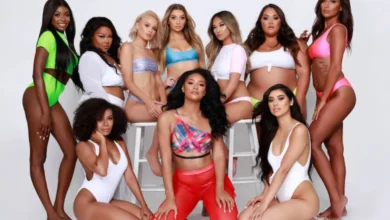
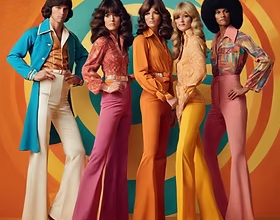
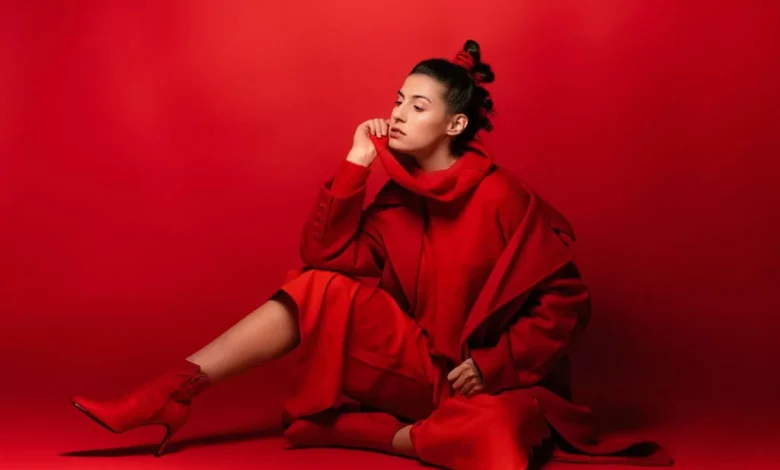
Fashion photography is a broad field with several distinct styles. Editorial photography focuses on storytelling for magazines and online publications. High-fashion or couture shoots highlight dramatic clothing and avant-garde concepts, often pushing creative boundaries. Commercial photography aims to sell products for advertising campaigns or catalogs. Street style photography captures real people and trends outside of studios or runways. Each category requires unique skills and approaches, but all demand a keen eye for style.
The Importance of Concept and Mood
Before a camera clicks, a fashion photographer develops a concept. This might mean creating a mood board, choosing a location, or selecting props that complement the clothing. For example, a beach shoot might use natural sunlight to emphasize flowing summer dresses, while a moody indoor set with dramatic shadows might suit a luxury winter collection. Every decision—from background color to model pose—shapes the final image and influences how viewers feel about the fashion.
Collaboration Is Key
Fashion photography is rarely a solo effort. Photographers work closely with creative directors, stylists, designers, makeup artists, and models. Good communication keeps everyone on the same page and ensures that the shoot runs smoothly. The photographer often acts as a leader, guiding the team and making quick decisions when challenges arise, such as changing weather or unexpected lighting issues.
Essential Skills for Fashion Photographers
To succeed in this career, a photographer needs both technical and soft skills. Technical abilities include camera operation, lighting setup, and post-production editing. Creativity and a sense of style help them compose visually striking shots. Strong interpersonal skills are equally important because working with diverse teams requires patience and collaboration. The ability to adapt quickly, stay organized, and meet tight deadlines also defines a great fashion photographer.
Education and Training Paths
While a formal degree isn’t mandatory, many aspiring fashion photographers study photography, fine arts, or visual communication. Workshops, online courses, and internships provide valuable hands-on experience. Building a portfolio is essential. Beginners often start by photographing friends or collaborating with local designers to create a body of work that shows their unique style and technical skill.
The Power of Lighting
Lighting is one of the most important elements in fashion photography. Whether natural sunlight or studio setups, lighting affects color, texture, and mood. A soft glow might highlight the delicate details of lace, while dramatic lighting can create a high-fashion, edgy vibe. Mastering different lighting techniques gives photographers the flexibility to create the exact atmosphere a project requires.
Equipment Choices and Tools
Fashion photographers rely on professional cameras, lenses, tripods, and lighting equipment. High-resolution cameras capture intricate fabric textures, while specific lenses help create depth and focus. Editing software such as Adobe Photoshop or Lightroom is vital for refining images, adjusting colors, and achieving a polished final product. The right tools make it possible to translate creative vision into breathtaking visuals.
Working in Different Environments
Shoots can take place in a variety of locations, from indoor studios to exotic outdoor settings. Studio shoots offer control over lighting and background, while outdoor shoots add natural beauty and spontaneity. Fashion photographers often travel for assignments, working in bustling cities, remote beaches, or historic landmarks. Adapting to different environments and using them to enhance the clothing is a key part of the job.
The Fast-Paced World of Runway Photography
Fashion weeks in cities like Paris, Milan, and New York are a special arena for photographers. Runway photography demands quick reflexes and precision. Capturing models in motion requires a deep understanding of timing, lighting, and composition. These images often appear in real-time media coverage, so speed and accuracy are crucial.
Building a Strong Portfolio
A well-curated portfolio is the calling card of every fashion photographer. It showcases their best work, unique style, and versatility. Portfolios often include a mix of editorial, commercial, and personal projects to demonstrate range. Updating the portfolio regularly with fresh, high-quality images helps attract new clients and opportunities.
The Business Side of Fashion Photography
Being a fashion photographer also means running a business. Freelancers manage budgets, negotiate contracts, and market their services. Networking with designers, modeling agencies, and magazines helps secure steady work. Understanding copyright laws and licensing ensures photographers protect their images while allowing clients to use them appropriately.
Social Media and Digital Presence
Today’s fashion photographers benefit from a strong online presence. Platforms like Instagram and personal websites serve as digital portfolios and marketing tools. Sharing behind-the-scenes content, tips, and finished work attracts followers and potential clients. Social media also provides opportunities to collaborate with influencers and brands in new and exciting ways.
Staying Inspired and Current
Fashion changes quickly, so photographers must stay ahead of trends. Following runway shows, exploring art galleries, and studying other photographers’ work keeps creativity fresh. Experimenting with new techniques or themes helps them evolve and maintain relevance in a competitive field.
Challenges in the Industry
Fashion photography can be glamorous, but it’s also demanding. Long hours, tight deadlines, and unpredictable conditions are common. Competition is fierce, and building a reputation takes time and perseverance. Successful photographers combine talent with dedication, resilience, and a passion for storytelling through images.
Career Opportunities and Growth
Fashion photographers can work for magazines, fashion houses, advertising agencies, or as independent freelancers. Some specialize in editorial shoots, while others focus on advertising campaigns or e-commerce photography. As their reputation grows, photographers may collaborate with major brands, shoot international campaigns, or even open their own studios.
Inspiring Icons of Fashion Photography
The industry has seen many legendary photographers whose work continues to inspire. Richard Avedon, Helmut Newton, and Annie Leibovitz each brought a distinct style to the field. Studying their techniques and careers offers valuable lessons in creativity and persistence for anyone interested in following this path.
Final Thoughts: Capturing Style Through a Lens
So, what is a fashion photographer? They are visual storytellers who merge technical skill with artistic vision to celebrate clothing and culture. From conceptualizing a shoot to editing the final image, their work influences how the world sees fashion.
Whether shooting high-fashion editorials or street style, a fashion photographer transforms fabric and design into unforgettable imagery. Their photos inspire trends, sell products, and capture the spirit of an era. For anyone passionate about both art and fashion, this career offers endless opportunities to create, collaborate, and leave a lasting impression on the industry. what is a fashion photographer