What Influenced Fashion in the 1970s?
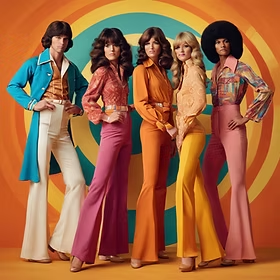
Have you ever looked at old photos from the 1970s and marveled at the bold prints, wide-leg pants, and disco-ready sparkle? The decade’s style still inspires designers and vintage lovers today. But what made people dress the way they did back then? The answer is a colorful mix of music, culture, politics, and personal expression. Let’s take a friendly trip back in time to see how each of these forces shaped one of the most exciting eras in fashion history.
A New Spirit of Freedom
The 1970s arrived after a turbulent 1960s filled with protests, change, and the push for equality. People wanted to express individuality and break free from strict dress codes. This desire for freedom showed up in flowing silhouettes, unisex looks, and a relaxed attitude toward style. Fashion became a way to celebrate personal identity rather than follow rigid rules.
Music as a Style Driver
Music and fashion shared a close bond during the decade. Rock stars like David Bowie introduced glam rock with glittery jumpsuits and daring makeup. The disco scene brought shiny fabrics, sequins, and flared trousers to the dance floor. Soul and funk musicians inspired colorful patterns and wide collars. Concerts and club nights turned into runway shows where fans mirrored their favorite performers.
The Disco Craze
By the mid-1970s, disco fever took over nightclubs worldwide. Outfits had to sparkle under the lights, so metallic fabrics, satin shirts, and platform shoes became must-haves. Both men and women embraced figure-hugging styles that moved easily for dancing. Designers like Halston captured the glamour of Studio 54 with slinky dresses and daring cuts, influencing everyday fashion far beyond the club scene.
Bohemian and Hippie Vibes
The hippie movement of the late 1960s didn’t disappear overnight. Instead, it evolved into a bohemian style that stayed popular through the 1970s. Flowing maxi dresses, embroidered tunics, and handcrafted accessories reflected a love for nature and art. Natural fabrics like cotton and suede, along with earthy colors and floral prints, gave outfits a relaxed, free-spirited look.
The Rise of Feminism and Women’s Fashion
Women’s rights movements gained strength during this decade, and fashion reflected their call for equality. The pantsuit became a symbol of empowerment as more women entered the workplace. Designers such as Yves Saint Laurent popularized tailored suits for women, showing that power and elegance could go hand in hand. Meanwhile, casual pieces like jeans and T-shirts became everyday wear for women, breaking traditional gender norms.
Influences From Around the World
Global cultures left a big mark on 1970s fashion. Designers looked to Africa for bold prints, to India for vibrant colors and flowing silhouettes, and to Asia for intricate embroidery and kimono-inspired wraps. Travelers and musicians brought home fabrics and ideas, mixing them into Western wardrobes. This global touch added richness and variety to everyday style.
Television and Movie Impact
Television shows and movies introduced trends that spread quickly. Programs like Charlie’s Angels showcased flared jeans and feathered hairstyles. Films such as Saturday Night Fever highlighted disco fashion, while Annie Hall made oversized blazers and neckties stylish for women. Celebrities like Farrah Fawcett and John Travolta became fashion icons, proving the power of pop culture on everyday dressing.
The Punk Rock Rebellion
Toward the late 1970s, punk music burst onto the scene with a loud, rebellious edge. Bands like the Sex Pistols inspired ripped jeans, safety pins, leather jackets, and edgy hairstyles. This anti-fashion statement challenged mainstream trends and gave rise to a DIY approach. Punk fashion was more than a look—it was a protest against consumer culture and social norms.
Everyday Street Style
Not everyone was wearing sequins or leather. Street fashion reflected practicality and comfort. Denim became a staple for all ages, with bell-bottoms and overalls leading the way. Sneakers grew in popularity, making casual wear stylish and accessible. Thrift stores became treasure troves where young people mixed vintage finds with new pieces to create original looks.
Designers Who Defined the Era
Several designers left a lasting mark on 1970s fashion. Halston ruled the disco scene with minimalist yet glamorous designs. Diane von Furstenberg introduced the wrap dress, which remains a classic. Vivienne Westwood championed punk aesthetics in London, while Giorgio Armani created relaxed tailoring that influenced menswear for decades. These designers captured the spirit of their time while shaping future trends.
The Influence of Technology and Fabrics
New materials changed how clothes looked and felt. Polyester became popular for its durability and easy care, making it perfect for the active lifestyles of the decade. Stretch fabrics allowed for body-hugging styles and comfortable movement on the dance floor. Advances in textile production made colorful prints and patterns more affordable and widely available.
Youth Culture and Individualism
Young people were central to 1970s fashion. They experimented with mixing patterns, layering textures, and creating unique outfits from secondhand finds. This do-it-yourself attitude encouraged creativity and pushed designers to think outside the box. The idea that fashion should express personality, not just follow trends, became a defining principle of the era.
Political and Social Movements
The decade was marked by political changes and movements for civil rights, environmental awareness, and anti-war sentiments. These influences appeared in clothing choices, from military-inspired jackets to eco-friendly fabrics. The popularity of natural fibers and earthy colors mirrored growing environmental concerns. Clothing often carried subtle messages of protest or unity.
Accessories That Completed the Look
Accessories played a major role in finishing a 1970s outfit. Wide belts cinched flowing dresses, while oversized sunglasses added glamour. Scarves, floppy hats, and chunky jewelry let people personalize their style. Footwear ranged from towering platform shoes for nights out to rugged boots for everyday wear, reflecting the decade’s variety.
How the 1970s Still Inspire Fashion Today
Many 1970s trends continue to influence modern style. Designers revisit flared pants, bold prints, and bohemian vibes in new collections. Vintage shops brim with 70s treasures that pair easily with contemporary pieces. The decade’s emphasis on individuality and self-expression remains a guiding force for today’s fashion lovers.
Final Thoughts: A Decade of Bold Expression
So, what influenced fashion in the 1970s? Music, culture, politics, technology, and a hunger for freedom all played vital roles. People embraced creativity, mixed global influences, and challenged traditional norms. From disco glam to punk rebellion, the decade offered something for everyone.
The 1970s taught us that fashion can be both a mirror of society and a tool for self-expression. Its fearless approach to color, texture, and identity still resonates today. Whether you love glittery disco looks or laid-back boho outfits, you’re embracing a spirit that began in that unforgettable decade of style.
what influenced fashion in the 1970s