What Are the Benefits of Deep Breathing Exercises and Why Should You Practice Them Daily?
Introduction to Deep Breathing Exercises
Breathing is something we all do naturally, yet few of us pay attention to how we breathe. In the modern world, stress, poor posture, and busy lifestyles have led many people to take shallow, rapid breaths without even realizing it. Deep breathing exercises are a conscious practice of slowing down and deepening your breaths to improve oxygen flow, calm your mind, and energize your body. The benefits of deep breathing exercises go far beyond simple relaxation; they can impact your mental, emotional, and physical well-being in profound ways.
What Exactly Are Deep Breathing Exercises?
Deep breathing exercises involve intentional control over your inhalation and exhalation, often using techniques to ensure you are filling your lungs to capacity and releasing air completely. Common methods include diaphragmatic breathing, belly breathing, and box breathing. These techniques are often practiced in yoga, meditation, or mindfulness sessions, but they can be done anytime, anywhere.
How Do Deep Breathing Exercises Work?
When you take deep breaths, your diaphragm — a large muscle located just below your lungs — moves downward, allowing your lungs to expand fully. This process increases oxygen intake and stimulates the parasympathetic nervous system, which helps your body relax and recover from stress. Slow, deep breathing also improves carbon dioxide exchange, balances your blood pH, and promotes a calmer state of mind.
Physical Benefits of Deep Breathing Exercises
1. Improved Lung Capacity
Deep breathing expands the lungs fully, keeping them strong and elastic. Over time, it can improve respiratory efficiency and help prevent lung-related issues.
2. Better Oxygen Circulation
By taking deeper breaths, more oxygen enters the bloodstream, nourishing your cells and enhancing overall bodily functions.
3. Strengthened Diaphragm and Core Muscles
Since deep breathing uses the diaphragm more than shallow breathing, it strengthens respiratory muscles and can even improve posture.
4. Reduced Blood Pressure
Deep breathing promotes relaxation and vasodilation, which can help lower blood pressure naturally.
5. Boosted Immunity
Increased oxygen circulation supports immune cell function, helping the body fight infections more efficiently.
Mental Benefits of Deep Breathing Exercises
1. Stress Reduction
Deep breathing activates the relaxation response, reducing levels of the stress hormone cortisol and helping you feel calmer.
2. Increased Focus and Concentration
By slowing down and focusing on your breath, you can sharpen your attention and mental clarity.
3. Emotional Regulation
Deep breathing creates space between your thoughts and reactions, making it easier to respond to situations calmly.
4. Better Sleep Quality
Practicing deep breathing before bed can signal to your body that it’s time to relax, improving sleep onset and quality.
Emotional and Spiritual Benefits of Deep Breathing Exercises
1. Greater Mindfulness
Deep breathing is a foundation of mindfulness and meditation practices, encouraging present-moment awareness.
2. Emotional Healing
Focused breathing can help release stored tension and emotions, promoting inner peace.
3. Enhanced Connection with the Body
By paying attention to your breath, you develop a deeper awareness of bodily sensations and needs.
Different Types of Deep Breathing Exercises and Their Benefits
1. Diaphragmatic Breathing
Also known as belly breathing, this technique focuses on expanding the stomach rather than the chest during inhalation, allowing maximum air intake.
2. Box Breathing
Involves inhaling for a set count (e.g., four seconds), holding the breath, exhaling, and holding again for equal counts. This method is popular among athletes and military personnel for stress control.
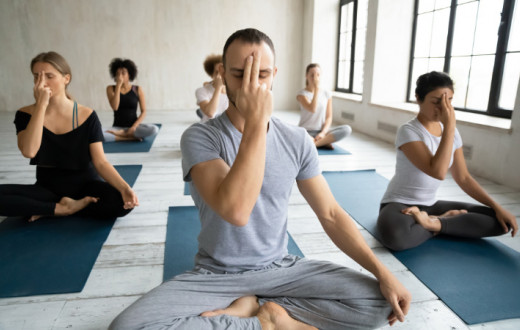
3. Alternate Nostril Breathing
A yoga breathing method that balances energy and calms the nervous system by alternating breaths between nostrils.
4. 4-7-8 Breathing Technique
Inhaling for four seconds, holding for seven, and exhaling for eight promotes deep relaxation and can help with anxiety and insomnia.
How Deep Breathing Exercises Help in Stress Management
The benefits of deep breathing exercises in stress management are backed by science. When you breathe deeply, your vagus nerve is stimulated, triggering a parasympathetic response that slows your heart rate and reduces stress. This is why deep breathing is often recommended during high-pressure situations or emotional distress.
Deep Breathing for Physical Fitness and Sports
Athletes often use deep breathing to improve performance, as it increases oxygen delivery to muscles, delays fatigue, and enhances endurance. It can also improve posture and body mechanics, which are crucial in sports.
The Role of Deep Breathing in Pain Management
Studies suggest that deep breathing can reduce the perception of pain by calming the nervous system and increasing endorphin production. Many people use it as a complementary method for managing chronic pain, migraines, or recovery after surgery.
How to Incorporate Deep Breathing into Your Daily Life
1. Morning Routine
Start your day with a few minutes of deep breathing to energize your body and set a calm tone.
2. Work Breaks
Use short breathing sessions throughout the day to counteract stress from work or studies.
3. Before Sleep
A slow breathing exercise before bed can help you unwind and sleep better.
4. During Exercise
Incorporate deep breathing into your workouts to maximize oxygen flow and reduce fatigue.
Common Mistakes to Avoid in Deep Breathing
- Breathing too quickly instead of slowly.
- Raising shoulders instead of expanding the belly.
- Forcing the breath, which can create tension instead of relaxation.
- Holding the breath too long and feeling lightheaded.
How Long Before You Notice the Benefits?
While some people feel calmer after just a few minutes of practice, others may notice deeper benefits — such as improved focus, sleep, or fitness — after consistent practice for a few weeks.
Final Thoughts on the Benefits of Deep Breathing Exercises
The benefits of deep breathing exercises extend far beyond relaxation. They impact your body, mind, and emotions in ways that can transform your overall well-being. Whether you want to reduce stress, improve lung function, enhance focus, or simply feel more present in your daily life, deep breathing is a simple yet powerful tool you can use anywhere. With regular practice, you can unlock a healthier, calmer, and more energized version of yourself — one breath at a time. blogvista.co.uk/