Tips for Maintaining a Balanced Diet – How Can You Achieve Long-Term Healthy Eating?

Maintaining a balanced diet is one of the most essential steps toward achieving overall health and well-being. In today’s fast-paced world, processed foods, irregular eating habits, and unhealthy cravings often replace nutritious meals. While occasional indulgences are fine, consistently eating a balanced diet helps in maintaining ideal body weight, boosting immunity, improving mental health, and preventing chronic diseases. But what does it really take to maintain such a diet?
In this article, we will explore practical tips for maintaining a balanced diet, along with an in-depth understanding of what a balanced diet means, why it matters, and how to implement it in daily life.
What Is a Balanced Diet and Why Is It Important?
Before discussing tips, we must understand what a balanced diet actually means. A balanced diet refers to consuming the right proportions of carbohydrates, proteins, fats, vitamins, minerals, and water. Each nutrient plays a vital role in supporting body functions.
- Carbohydrates provide energy for daily activities.
- Proteins repair body tissues and build muscles.
- Healthy fats support brain health and hormone production.
- Vitamins and minerals strengthen immunity, bones, and organ function.
- Water helps in digestion, nutrient absorption, and detoxification.
The importance of a balanced diet goes beyond physical health—it also affects mental clarity, mood, and energy levels. Eating nutrient-rich foods consistently can reduce the risk of heart disease, diabetes, obesity, and even certain types of cancer.
How Can You Plan Your Meals for a Balanced Diet?
Meal planning is one of the most effective tips for maintaining a balanced diet. Without a plan, it’s easy to reach for unhealthy snacks or skip important nutrients.
Steps for Effective Meal Planning
- Decide Weekly Menus – Plan breakfast, lunch, dinner, and snacks for at least 5–7 days.
- Shop Smartly – Make a grocery list focusing on fresh fruits, vegetables, whole grains, lean proteins, and healthy fats.
- Batch Cooking – Prepare meals in advance to avoid relying on fast food.
- Portion Control – Use smaller plates to prevent overeating.
- Balance Each Plate – Include vegetables, a source of protein, and complex carbohydrates in every meal.
Meal planning also reduces food waste and saves money while ensuring nutritional balance.
What Are the Key Food Groups in a Balanced Diet?
A truly balanced diet includes different food groups in the right proportions. Here’s what your daily intake should ideally contain:
1. Fruits and Vegetables
- Aim for at least five servings a day.
- Choose a variety of colors to maximize vitamin and mineral intake.
2. Whole Grains
- Include brown rice, quinoa, oats, and whole wheat bread.
- These provide long-lasting energy and aid digestion.
3. Proteins
- Lean meats, fish, eggs, legumes, tofu, and dairy products are great choices.
- Helps in muscle repair and immune function.
4. Healthy Fats
- Include nuts, seeds, avocados, and olive oil.
- Essential for brain health and vitamin absorption.
5. Dairy or Alternatives
- Low-fat milk, yogurt, and cheese (or plant-based alternatives).
- Important for calcium and bone strength.
How Can Portion Control Improve Your Diet?
Even healthy foods can cause weight gain if eaten in excess. Portion control ensures you’re not overeating and helps regulate calorie intake.
Tips for Better Portion Control
- Use Smaller Plates – This naturally limits serving size.
- Read Nutrition Labels – Learn correct serving sizes for packaged foods.
- Avoid Eating from the Bag – Portion snacks into a bowl.
- Listen to Hunger Cues – Eat slowly and stop when you feel satisfied.
Why Is Hydration a Key Part of a Balanced Diet?
Water is often overlooked in diet discussions, but it plays a critical role in maintaining health. Staying hydrated supports digestion, energy levels, and nutrient transport.
Hydration Tips
- Aim for 8–10 glasses of water daily.
- Drink water before meals to avoid overeating.
- Limit sugary drinks and sodas.
- Include water-rich foods like cucumbers, watermelon, and oranges.
How to Reduce Sugar and Processed Food Intake?
One of the most important tips for maintaining a balanced diet is minimizing processed and sugary foods.
- Replace sugary drinks with infused water or herbal tea.
- Choose whole fruit over fruit juices.
- Read labels to spot hidden sugars in sauces and packaged foods.
- Opt for homemade snacks like roasted nuts or vegetable sticks.
Reducing processed food helps in weight management, lowers cholesterol, and keeps blood sugar stable.
Can Mindful Eating Help Maintain a Balanced Diet?
Mindful eating is about being fully present during meals. It helps prevent overeating and improves digestion.
How to Practice Mindful Eating
- Eat slowly and chew thoroughly.
- Avoid distractions like TV or smartphones while eating.
- Appreciate the flavors, textures, and aromas of food.
- Pause between bites to assess hunger levels.
How to Incorporate Healthy Snacks into Your Day?
Snacking is not unhealthy—what matters is what you snack on. Healthy snacks keep your metabolism active and prevent energy crashes.
Healthy Snack Ideas
- Fresh fruit with yogurt
- Hummus with vegetable sticks
- A handful of nuts or seeds
- Whole grain crackers with cheese
- Smoothies made from fresh fruits and vegetables
How to Make Healthy Eating a Lifestyle, Not a Temporary Diet?
The goal is not a short-term diet but a sustainable eating habit.
Tips for Long-Term Success
- Make gradual changes instead of drastic restrictions.
- Keep healthy foods visible and within reach.
- Experiment with new healthy recipes to avoid boredom.
- Allow occasional treats to maintain balance.
How Does Physical Activity Support a Balanced Diet?
Exercise complements a balanced diet by boosting metabolism, improving muscle strength, and supporting mental health.
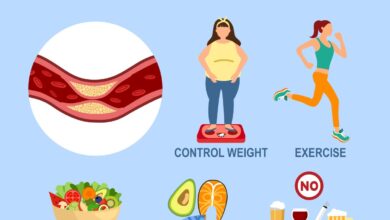
- Engage in at least 30 minutes of moderate activity daily.
- Combine cardio, strength training, and flexibility exercises.
- Physical activity also helps regulate appetite.
Common Mistakes to Avoid When Trying to Maintain a Balanced Diet
Even with the best intentions, certain habits can sabotage your progress.
- Skipping Breakfast – Leads to overeating later in the day.
- Drinking Excess Calories – Sodas, milkshakes, and fancy coffees add sugar quickly.
- Cutting Out Entire Food Groups – Can lead to nutrient deficiencies.
- Following Fad Diets – Often unsustainable and unhealthy.
Sample One-Day Balanced Diet Plan
Breakfast:
- Oatmeal with berries and nuts
- Green tea or black coffee
Mid-Morning Snack:
- Apple slices with peanut butter
Lunch:
- Grilled chicken breast with quinoa and steamed vegetables
Afternoon Snack:
- Yogurt with chia seeds
Dinner:
- Baked salmon with sweet potato and sautéed spinach
Hydration:
- Water throughout the day
Final Thoughts on Tips for Maintaining a Balanced Diet
Maintaining a balanced diet is not about strict rules but about making healthier choices consistently. By planning meals, practicing portion control, staying hydrated, and listening to your body’s needs, you can build a sustainable eating pattern that supports both physical and mental well-being.
The journey to a balanced diet takes time, patience, and dedication, but the results—more energy, better health, and a happier you—are well worth it. blogvista.co.uk/