Spirytus: The World’s Strongest Spirit Explained in Full Detail
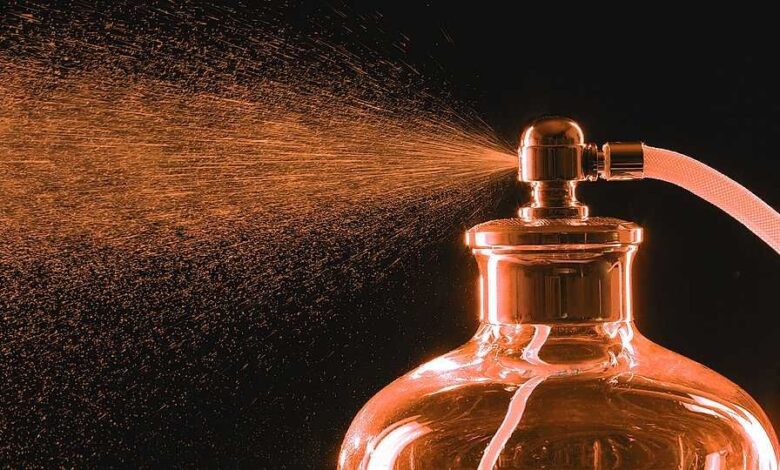
When people talk about powerful alcoholic drinks, they usually mention whiskey, rum, vodka, or moonshine. But above all of them, in a category of its own, stands a legendary name: Spirytus. Known globally for its staggering strength and purity, Spirytus is a type of rectified spirit that has earned both respect and caution from drinkers, craftsmen, and culinary enthusiasts worldwide. For many, Spirytus is more than just alcohol—it is a tool, a tradition, and a cultural symbol deeply rooted in Eastern Europe.
This article dives deep into everything about Spirytus: its origins, production, uses, risks, and why it has become one of the strongest and most talked-about spirits in the world.
What Exactly Is Spirytus?
At its simplest, Spirytus is a rectified spirit, meaning it has been distilled and purified to an extremely high alcohol concentration—usually between 95% and 96% alcohol by volume (ABV). To put that into perspective, a standard vodka is around 40% ABV. Spirytus is more than double that strength, making it one of the most potent spirits legally available.
The word “Spirytus” itself is Polish for spirit, but outside Poland, the term has become synonymous with this high-proof, crystal-clear alcohol. It is typically made from grain, potatoes, or sugar beet, and is distilled using advanced rectification techniques to reach such intense purity levels.
Because of this purity, Spirytus has a very clean profile. It has no color, almost no aroma aside from the sharpness of ethanol, and a taste that is neutral but extremely strong. Even a drop on the tongue can create a burning sensation, which is why it is rarely, if ever, consumed straight.
Roots and History of Spirytus
The story of Spirytus begins in Poland, a country with a rich history of distillation. Polish people have been producing spirits since at least the Middle Ages, but the real evolution of high-proof alcohol started in the 19th century when modern distillation columns were introduced. These machines allowed distillers to separate alcohol from water with incredible precision, creating rectified spirits like Spirytus.
Over time, Spirytus became part of Polish households not as a recreational drink, but as a multifunctional ingredient. Families used it for tinctures, homemade liqueurs, herbal medicines, and even cleaning. It wasn’t viewed the same way as vodka or wine—it was more like a staple item that served dozens of practical purposes.
Today, Spirytus is globally recognized, especially under names like Spirytus Rektyfikowany, a well-known Polish rectified spirit. Although modern consumers sometimes discover Spirytus through viral videos or curiosity about “the strongest alcohol in the world,” its real importance lies in tradition, craftsmanship, and versatility.
Why Spirytus Is Considered the Strongest Spirit
Several drinks claim high alcohol percentages, but Spirytus consistently stays among the top because it reaches the maximum ABV possible through distillation alone. Regular distillation can only reach around 95–96% alcohol due to ethanol-water azeotrope chemistry, meaning Spirytus is basically at the scientific limit of purity.
This is why it is often listed as one of the strongest legal spirits sold in stores globally.
Its strength also means it must be handled with respect. Even a few milliliters can cause rapid intoxication, and consuming it undiluted can be extremely dangerous. But despite this, Spirytus remains incredibly popular—not for drinking straight, but for what it can help create.
Types and Variations of Spirytus
Most people associate Spirytus with the 95%-96% version, but it actually comes in a variety of strengths depending on the producer and purpose. Common versions include:
- Spirytus 96% – the strongest widely sold variant
- Spirytus 95% – nearly identical in strength and usage
- Spirytus 90% – used for tinctures and cleaning
- Spirytus 80% or lower – sometimes flavored or used in herbal liqueurs
These versions exist because different recipes, infusions, or industrial uses may require slightly different alcohol strengths.
How Spirytus Is Made: The Process Behind Its Purity
The production of Spirytus begins with fermented raw materials. Depending on the manufacturer, this could be:
- Wheat
- Rye
- Potatoes
- Corn
- Sugar beet
Once fermentation creates a mash with alcohol, distillers begin the purification process.
1. Distillation
Spirytus undergoes multiple rounds of distillation, which gradually removes water and impurities.
2. Rectification
This is where the magic happens. Using tall rectifying columns with many levels, distillers separate ethanol from water on a microscopic level, reaching purity levels standard distillation cannot achieve.
3. Filtration
The spirit is filtered—often through charcoal—to remove odor compounds and ensure a clean, sharp ethanol profile.
4. Bottling
Finally, the spirit is bottled at its desired strength without dilution.
This meticulous production is why Spirytus is trusted not only for beverages but also for medicinal and industrial purposes.
Uses of Spirytus: More Than Just Alcohol
What makes Spirytus unique is its versatility. It is not limited to drinking or mixology—it spreads across culinary, medicinal, and household applications.
1. Homemade Alcohols and Liqueurs
One of the most popular uses of Spirytus is crafting homemade drinks. It acts as a perfect base for flavor extraction because high alcohol content pulls out the full aroma and essence from ingredients. People use it to make:
- Traditional Polish nalewka
- Limoncello
- Herbal liqueurs
- Fruit infusions
- Bitters
- Vodka blends
Because of its neutral taste, it allows the natural ingredients to shine.
2. Cooking and Baking
Spirytus is fantastic for creating extracts such as:
- Vanilla extract
- Almond extract
- Citrus extract
- Herb and spice infusions
It also helps in preserving fruits and acts as a solvent for flavors in desserts and pastries.
3. Medicinal Usage
Historically, Spirytus has been used to make herbal tinctures believed to help with digestion, circulation, and respiratory health. It was also used in folk medicine for disinfecting wounds before modern medical-grade alcohols became common.
4. Household Cleaning
Thanks to its strength, Spirytus is extremely effective for:
- Degreasing
- Disinfection
- Cleaning glass and mirrors
- Removing residue
- Sanitizing surfaces
During periods of disinfectant shortages, many people turned to Spirytus as an alternative.
5. Industrial Purposes
Industries use Spirytus in:
- Perfume production
- Cosmetics
- Pharmaceutical manufacturing
- Laboratory sterilization
Its high purity makes it ideal for precise chemical processes.
Taste and Aroma: What Spirytus Really Feels Like
Describing Spirytus as a “drink” can be misleading because it is not meant to be consumed straight. The taste is extremely sharp, causing a burning sensation even in tiny amounts. However, when used in infusions or diluted properly, it becomes a neutral canvas that carries the flavors of herbs, fruits, or spices beautifully.
Aroma-wise, it smells like clean ethanol—sharp, sterile, and pure. That may not sound appealing, but Spirytus is not consumed for its own flavor; it is used for the flavors it helps extract.
Why You Should Never Drink Spirytus Neat
Although some adventurous drinkers attempt to drink Spirytus straight, it is highly dangerous and never recommended. Its extreme concentration can cause:
- Immediate throat and stomach irritation
- Damage to mouth tissues
- Rapid alcohol poisoning
- Loss of consciousness
- Respiratory problems
Even small amounts can overwhelm the body. For this reason, Spirytus is legally restricted or banned in several regions, especially for direct consumption.
Diluting Spirytus Safely
When Spirytus is used for beverages, it must be diluted. A common ratio is:
- 1 part Spirytus to 2 parts water or juice
This helps reduce it to around 40% ABV, similar to vodka. The dilution process should always be done carefully to avoid splashing or inhaling strong fumes.
Countries That Restrict Spirytus
Due to its strength, some regions regulate or restrict the sale of high-proof spirits. While Spirytus is legal in many countries, certain areas limit access to alcohol above a specific ABV threshold. However, it remains widely available across Europe and many other parts of the world.
Cultural Significance of Spirytus
In Poland and Eastern Europe, Spirytus is connected to family traditions. Many households use it to make deeply personal recipes that have been passed down for generations—each family having its own version of herbal tinctures or fruit-infused spirits.
It also appears during holidays or celebrations, not as something to drink straight but as a component of homemade beverages that symbolize warmth, creativity, and hospitality.
Modern Popularity and Global Reputation
In recent years, Spirytus has gained attention worldwide as “the strongest spirit you can buy.” Social media videos, mixology experiments, and curiosity about extreme alcohols have fueled its fame.
But for those who truly understand it, Spirytus is not about shock value. It is about:
- precision
- purity
- versatility
- tradition
Its role extends far beyond being a high-proof drink; it is a cornerstone ingredient in old recipes, artisanal crafts, and chemical industries.
Conclusion: The Legacy of Spirytus
Spirytus is a remarkable product—one that stands at the intersection of science, tradition, and practicality. Whether used for crafting homemade liqueurs, making herbal remedies, cleaning, cooking, or industrial production, it remains one of the most versatile forms of alcohol ever produced.
Its status as one of the strongest legal spirits in the world ensures it will always carry a sense of awe and respect. But its real value lies in how people use it responsibly to create flavors, preserve traditions, and support everyday needs.
Handled with care, Spirytus is not just alcohol—it is a powerful tool steeped in cultural history and endless possibilities.