Rite Aid Ice Cream: A Nostalgic Treat with a Modern Twist
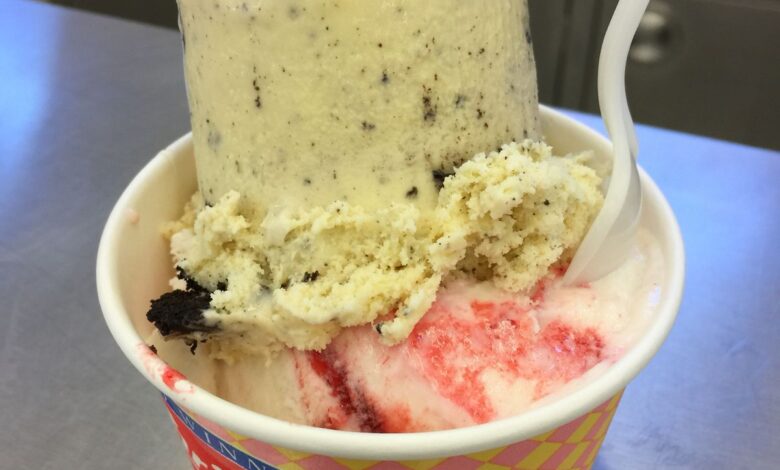
When you think of iconic American ice cream, certain names instantly come to mind. One of the most unique and nostalgic brands is Thrifty Ice Cream, which many people associate with Rite Aid stores. Though not a household name nationwide, Thrifty Ice Cream has been a staple of the West Coast, offering a combination of affordability, distinctive flavors, and a nostalgic scoop-shop experience that has endured for decades.
The Origins of Thrifty Ice Cream
The story of Rite Aid ice cream begins long before the current retail giant existed. Thrifty Drug Stores, founded in 1929 in Los Angeles, initially focused on providing affordable pharmaceutical and household products to the local community. Over time, the chain realized that a simple ice cream counter could draw in crowds and increase customer loyalty. By the 1940s, Thrifty began producing its own line of ice cream, taking over a factory and developing unique recipes that would define the brand for generations.
Unlike other drug stores that simply sold candy or packaged treats, Thrifty took ice cream seriously. It offered customers the chance to enjoy hand-scooped servings right inside the store, creating an inviting, family-friendly atmosphere. This approach not only helped Thrifty differentiate itself from competitors but also cemented ice cream as a key part of its brand identity.
The Rite Aid Acquisition
The landscape shifted dramatically in 1996 when Rite Aid acquired Thrifty Drug Stores. With the merger, Rite Aid inherited the beloved Thrifty Ice Cream brand, including both the recipes and the in-store counters. While many Rite Aid stores nationwide did not adopt the Thrifty counters, the West Coast locations retained them, preserving the nostalgic feel of the original drug store experience.
This acquisition allowed Rite Aid to offer a unique in-store experience that other pharmacy chains lacked. Customers could come in for their prescriptions and leave with a scoop of Thrifty Ice Cream, combining convenience with indulgence. Over the years, Thrifty Ice Cream counters became an iconic part of Rite Aid stores, particularly in California, where the brand first began.
Unique Features of Rite Aid Ice Cream
Thrifty Ice Cream, the product behind the Rite Aid ice cream brand, is known for several unique features that set it apart from other ice cream brands. One of the most notable is the “sqrounder” carton design—a shape that is somewhat square but with rounded edges, making it easy to handle and store. The ice cream is also famous for its quirky and inventive flavors. Classic options like Chocolate Malted Krunch, Butter Pecan, and Mint ’N Chip sit alongside more unusual offerings such as Medieval Madness and Circus Animal Cookies, appealing to adventurous eaters and nostalgic adults alike.
The hand-scooped experience at in-store counters further enhances the charm. Customers can order single, double, or triple scoops in a variety of cones or cups. The cylindrical scoops are instantly recognizable, and many loyal fans consider the scoop shape a small but essential part of the Thrifty experience.
Cultural Significance and Nostalgia
For many West Coast residents, Rite Aid ice cream is more than just a sweet treat—it’s a nostalgic memory of childhood trips to the local drug store. The combination of affordable pricing, unique flavors, and the fun of choosing a scoop has made Thrifty Ice Cream a cultural touchstone in California and neighboring states. Unlike national ice cream chains that emphasize branding and marketing, Thrifty Ice Cream has always relied on the quality of its product and the experience of enjoying it.
The brand’s appeal also lies in its accessibility. A scoop of Thrifty Ice Cream was priced to be affordable for nearly everyone, making it a democratic treat that could be enjoyed by children and adults alike. The affordability factor helped the ice cream become a beloved fixture of the local community.
Challenges and Rite Aid’s Financial Troubles
Despite its popularity, the Thrifty Ice Cream brand has not been immune to challenges. Rite Aid, the parent company, has faced financial pressures over the years, leading to store closures and restructuring. In recent years, the company filed for Chapter 11 bankruptcy, a move that significantly impacted the availability of Thrifty Ice Cream counters in stores.
Many in-store Thrifty counters were slated for closure as part of the bankruptcy proceedings, and fans worried that the beloved ice cream would disappear entirely. The closures primarily affected the West Coast, where the counters were most prevalent. The combination of store closures and financial uncertainty created a period of uncertainty for the Thrifty brand.
The Sale and Future of Thrifty Ice Cream
In a positive turn of events, Thrifty Ice Cream was sold to a new investment group in 2025 for approximately $19.2 million. The new owners, who have ties to other consumer-focused companies, have expressed a desire to preserve the core aspects of the brand while expanding its reach. Plans include increasing distribution beyond the traditional West Coast markets, updating packaging, and introducing new flavors.
This move has reassured fans that the Thrifty Ice Cream legacy will continue. While many in-store counters may disappear, the brand’s iconic flavors and pre-packaged options are likely to be available in more locations, potentially even nationwide. The new ownership offers the opportunity for Thrifty Ice Cream to evolve while maintaining the nostalgic elements that made it beloved for decades.
Product Formats and Availability
Rite Aid ice cream has historically been available in several formats. The most recognizable is the in-store hand-scooped option, where customers could enjoy fresh scoops in cones or cups. Additionally, pre-packaged tubs have been sold in a variety of sizes, including 1.75-quart “sqrounder” cartons and single-pint containers. These tubs allow customers to enjoy Thrifty Ice Cream at home and have become particularly important as in-store counters close.
The flavor selection has always been diverse and imaginative. Alongside traditional favorites like Chocolate and Vanilla, Thrifty offers adventurous options such as Chocolate Malted Krunch, Medieval Madness, Butter Pecan, Mint ’N Chip, Rocky Road, and Circus Animal Cookies. The brand’s commitment to unique flavors has helped it stand out in a crowded market.
Impact on Retail and Brand Loyalty
Thrifty Ice Cream’s story is a fascinating case study in how a niche product can develop a loyal following and cultural significance. Despite being tied to a larger retail chain, the ice cream has maintained its own identity and fanbase. This demonstrates the power of a strong product, nostalgic value, and community engagement in building brand loyalty.
For Rite Aid, Thrifty Ice Cream has been more than just a side offering; it has been a strategic asset. The ice cream counters attract foot traffic, increase in-store purchases, and enhance the overall customer experience. Even with the challenges posed by bankruptcy and restructuring, the brand’s enduring popularity highlights the importance of product differentiation and emotional connection with customers.
Regional Appeal and Expansion Opportunities
While Thrifty Ice Cream has traditionally been a West Coast phenomenon, the new ownership sees significant opportunities for expansion. By increasing distribution to supermarkets and other retail outlets beyond the West Coast, the brand could introduce its unique flavors and nostalgic charm to a broader audience.
Expanding online sales is another potential avenue. Subscription boxes, nationwide shipping, and partnerships with e-commerce platforms could allow fans outside the West Coast to experience Thrifty Ice Cream. This approach would modernize the brand while preserving the elements that make it special.
Nostalgia in Modern Marketing
One of Thrifty Ice Cream’s greatest strengths is its ability to evoke nostalgia. In today’s market, where consumers often seek authentic, retro experiences, this aspect of the brand is incredibly valuable. Marketing strategies that highlight the history of Thrifty, the unique flavor offerings, and the iconic scoop experience could resonate with both older customers who grew up with the brand and younger consumers looking for distinctive, fun treats.
Nostalgia can also create community engagement. Local events, pop-up scoop shops, and social media campaigns celebrating the brand’s history can strengthen customer loyalty and generate excitement for new product launches.
Conclusion
Rite Aid ice cream, more accurately known as Thrifty Ice Cream, is a unique and cherished part of American ice cream history. From its origins in Thrifty Drug Stores in Los Angeles to its incorporation into Rite Aid stores and eventual sale to new owners, the brand has navigated decades of change while retaining its core identity. Known for distinctive flavors, affordable pricing, and the iconic hand-scooped experience, Thrifty Ice Cream holds a special place in the hearts of many.
As the brand enters a new phase under new ownership, there is potential for broader distribution, innovative flavors, and continued engagement with both nostalgic and new customers. While in-store counters may become less common, the legacy of Thrifty Ice Cream endures, ensuring that future generations can enjoy the sweet, nostalgic treat that has delighted West Coast communities for nearly a century.
Thrifty Ice Cream is more than just a product; it is a cultural icon, a nostalgic memory, and a testament to the power of simple pleasures in connecting communities. Whether you enjoy a scoop at a local Rite Aid or a tub at home, the experience of Thrifty Ice Cream is a reminder of why some treats become timeless classics.