Meditation Techniques for Stress: How Can You Find Calm in a Busy World?
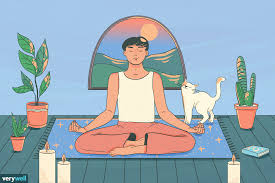
Have you ever felt like your mind just won’t stop racing, even when you’re exhausted? Stress has a way of creeping into our daily lives—through work, relationships, financial worries, or even the constant buzz of technology. The truth is, we can’t always control what happens around us, but we can control how we respond. That’s where meditation comes in.
Meditation is more than just sitting quietly with your eyes closed. It’s a powerful practice that trains your mind to slow down, focus, and reconnect with the present moment. With regular practice, meditation can ease tension, reduce anxiety, and help you handle life’s challenges with more clarity and balance.
In this article, we’ll explore different meditation techniques for stress, explain how they work, and show you how to integrate them into your daily routine. Whether you’re a complete beginner or someone who’s tried meditation before, you’ll find practical strategies you can start using right away.
Why Meditation Works for Stress Relief
Before jumping into specific techniques, it’s helpful to understand why meditation is so effective against stress. When you’re stressed, your body activates the fight-or-flight response, releasing hormones like cortisol and adrenaline. While this response is useful in emergencies, being stuck in this state for long periods wears down both your body and mind.
Meditation helps in several ways:
- It lowers cortisol levels, reducing physical symptoms of stress.
- It calms the nervous system, shifting the body into a relaxed state.
- It improves focus and reduces overthinking.
- It strengthens emotional resilience, making challenges easier to handle.
By practicing meditation consistently, you give your body and mind the chance to rest, recover, and reset.
Mindfulness Meditation: Staying Present
One of the most popular and accessible forms of meditation is mindfulness meditation. It focuses on paying attention to the present moment without judgment.
How to practice mindfulness meditation:
- Find a quiet space and sit comfortably.
- Close your eyes and bring your attention to your breath.
- Notice the sensation of air entering and leaving your body.
- When your mind wanders, gently bring it back to your breath.
Even 10 minutes of mindfulness a day can make a huge difference. It helps you become more aware of your thoughts and feelings without letting them overwhelm you.
Breathing Meditation: Harnessing the Power of Breath
Your breath is a powerful tool for relaxation. When stress takes over, breathing often becomes shallow and rapid, fueling anxiety. Breathing meditation focuses on slowing and deepening the breath to calm both the body and mind.
Simple breathing technique:
- Inhale deeply through your nose for four counts.
- Hold your breath for four counts.
- Exhale slowly through your mouth for six counts.
- Repeat for several minutes.
This exercise sends a signal to your nervous system that it’s safe to relax, lowering stress almost instantly.
Body Scan Meditation: Releasing Tension
Stress often shows up as tight shoulders, headaches, or muscle pain. Body scan meditation helps you identify and release that tension.
How to do a body scan:
- Lie down or sit comfortably.
- Close your eyes and focus on your toes. Notice any sensations—warmth, tingling, or tightness.
- Slowly move your awareness upward through your body: legs, stomach, chest, arms, and head.
- As you notice tension, breathe into that area and let it soften.
This technique not only relaxes your body but also strengthens your mind-body connection.
Guided Meditation: Letting Someone Lead
If you struggle to meditate alone, guided meditation is a wonderful option. In this practice, you listen to a teacher or an audio recording that walks you through relaxation steps, visualizations, or affirmations.
Guided sessions can be as short as five minutes or as long as an hour. Many people find it easier to stay focused when someone else is directing their attention. Apps, online videos, and meditation classes make guided meditation easy to access anytime.
Loving-Kindness Meditation: Cultivating Compassion
Stress is often tied to frustration, resentment, or self-criticism. Loving-kindness meditation (also called metta meditation) works by replacing negative emotions with feelings of compassion and kindness—toward yourself and others.
How to practice loving-kindness meditation:
- Sit comfortably and close your eyes.
- Repeat a phrase such as: “May I be happy. May I be healthy. May I be at peace.”
- After focusing on yourself, extend these wishes to loved ones, friends, and even people you struggle with.
This meditation softens harsh feelings and creates emotional balance, reducing the inner tension caused by stress.
Visualization Meditation: Creating a Peaceful Space
Visualization uses the power of imagination to bring calmness. Instead of focusing on the breath, you picture a peaceful scene or setting that helps you feel safe and relaxed.
Example practice:
- Imagine yourself on a quiet beach. Picture the waves, the sound of the ocean, and the warmth of the sun.
- Inhale deeply as if you are breathing in calmness.
- Exhale slowly, letting go of stress.
Visualization can reduce anxiety by transporting your mind to a place of comfort, even when your surroundings are stressful.
Mantra Meditation: The Power of Repetition
In mantra meditation, you repeat a calming word, phrase, or sound to help focus your mind. The most common mantra is “Om,” but you can choose any word that resonates with you, such as “peace” or “calm.”
How to practice mantra meditation:
- Sit quietly and take a few deep breaths.
- Silently repeat your chosen word with each breath.
- Whenever your mind drifts, gently return to the mantra.
This repetition anchors your thoughts and helps block distractions, making it easier to relax.
Walking Meditation: Moving With Mindfulness
Meditation doesn’t always mean sitting still. Walking meditation combines gentle movement with mindfulness, making it a great option for people who find sitting uncomfortable.
How to practice walking meditation:
- Find a quiet path or room with space to walk.
- Walk slowly and pay attention to each step.
- Notice how your feet feel as they touch the ground.
- Focus on the rhythm of walking and breathing.
Walking meditation not only reduces stress but also boosts energy and focus.
Progressive Relaxation: Unwinding Step by Step
This method combines mindfulness with muscle relaxation. You tense and then release different muscle groups to reduce tension.
How to do it:
- Start with your feet. Tense the muscles for five seconds, then release.
- Move up through your legs, abdomen, arms, and face.
- Notice how each area feels after releasing the tension.
This practice is especially helpful if stress keeps you physically tense or disrupts your sleep.
Daily Micro-Meditations: Quick Stress Busters
You don’t always need long sessions to benefit from meditation. Short “micro-meditations” throughout the day can reset your mind in just a few minutes.
Examples of quick meditations:
- Take three deep breaths before starting a meeting.
- Pause and focus on your senses while waiting in line.
- Spend two minutes noticing your surroundings instead of scrolling your phone.
These small breaks help you manage stress in real time.
Building a Meditation Habit
Consistency matters more than length. Even five minutes daily can have lasting benefits if practiced regularly. To build a meditation habit:
- Start small and increase gradually.
- Choose a specific time, like mornings or before bed.
- Create a quiet, comfortable space for meditation.
- Use reminders, apps, or journals to track progress.
Like any skill, meditation becomes easier and more rewarding with practice.
Common Challenges and How to Overcome Them
Many beginners struggle with distractions, restlessness, or self-criticism when meditating. Remember—this is normal.
Tips to overcome challenges:
- Don’t expect a perfectly quiet mind. Focus on returning gently when thoughts wander.
- Start with guided meditations if silence feels difficult.
- Keep sessions short at first to avoid frustration.
- Be patient—benefits grow over time.
Meditation is not about perfection but about progress.
The Long-Term Benefits of Meditation for Stress
While meditation helps in the moment, its long-term benefits are even more powerful. Studies show that regular practice:
- Improves emotional stability.
- Strengthens focus and memory.
- Lowers blood pressure and heart rate.
- Boosts resilience during stressful situations.
By making meditation a part of your life, you’re not just relieving stress—you’re building a healthier, calmer, and more balanced future.
Final Thoughts: Finding Calm Within
Stress may be an inevitable part of life, but how you respond to it is within your control. Meditation offers a simple yet transformative way to quiet the mind, release tension, and find inner peace. Whether you choose mindfulness, breathing exercises, body scans, or guided visualizations, the important thing is to practice regularly and patiently.
The beauty of meditation is that it meets you where you are. You don’t need special equipment or long hours—just a few minutes of intention can shift your day. Start small, explore different techniques, and watch how meditation gradually transforms the way you handle stress.
Your calm is closer than you think—all it takes is one breath to begin.