How to Improve Digestion: Simple and Natural Ways to Support Your Gut
Have you ever felt heavy, bloated, or uncomfortable after a meal and wondered what went wrong? Good digestion is something most people take for granted—until it starts causing problems. The truth is, digestion affects much more than just your stomach. It impacts your energy levels, mood, immunity, and even the way your body absorbs nutrients.
The good news is that improving digestion doesn’t always require complicated treatments. Small daily changes in diet, lifestyle, and habits can make a big difference. In this article, we’ll explore practical, science-backed tips on how to improve digestion naturally and keep your gut healthy.
Why Digestion Matters More Than You Think
Your digestive system is like your body’s engine. It breaks down food into nutrients, which your body then uses for energy, repair, and overall functioning. If digestion is sluggish or imbalanced, you may experience:
- Bloating and gas.
- Constipation or diarrhea.
- Low energy and fatigue.
- Nutrient deficiencies.
- A weakened immune system.
Since nearly 70% of your immune system lives in your gut, taking care of digestion means supporting your whole body.
Eat Slowly and Chew Thoroughly
One of the simplest ways to improve digestion is often overlooked—chewing your food properly. Digestion begins in your mouth, not your stomach. When you chew thoroughly, enzymes in your saliva start breaking down food, making it easier for your stomach and intestines to do their job.
Tips for mindful eating:
- Put down your fork between bites.
- Avoid rushing through meals.
- Chew each bite at least 20–30 times.
Not only does this improve digestion, but it also helps prevent overeating since your body has time to signal fullness.
Stay Hydrated for a Healthy Gut
Water plays a key role in breaking down food and moving waste through your intestines. Without enough fluids, digestion slows down, often leading to constipation and discomfort.
How to stay hydrated:
- Drink water consistently throughout the day.
- Include hydrating foods like cucumbers, watermelon, and oranges.
- Try warm water or herbal teas to soothe digestion.
Aim for at least 6–8 glasses of water daily, adjusting based on your activity level and climate.
Add More Fiber to Your Diet
Fiber is one of the most important nutrients for digestive health. It adds bulk to stool, keeps bowel movements regular, and feeds the beneficial bacteria in your gut.
Good sources of fiber include:
- Fruits like apples, pears, and berries.
- Vegetables such as broccoli, carrots, and leafy greens.
- Whole grains like oats, quinoa, and brown rice.
- Legumes such as beans, lentils, and chickpeas.
If you’re not used to eating much fiber, add it gradually to avoid gas and bloating.
Support Your Gut With Probiotics
Your digestive system is home to trillions of bacteria, known as your gut microbiome. Keeping a healthy balance of these bacteria is crucial for smooth digestion. Probiotics, which are beneficial bacteria, can help restore this balance.
Probiotic-rich foods include:
- Yogurt with live cultures.
- Kefir, a fermented milk drink.
- Sauerkraut and kimchi.
- Kombucha, a fermented tea.
These foods not only improve digestion but also support immunity and overall gut health.
Don’t Forget Prebiotics
While probiotics add good bacteria, prebiotics act as their food. They are a type of fiber that nourishes healthy gut bacteria, helping them thrive.
Examples of prebiotic foods:
- Garlic and onions.
- Bananas.
- Asparagus.
- Leeks and artichokes.
Including both probiotics and prebiotics in your diet creates a strong foundation for good digestion.
Manage Stress to Protect Digestion
Stress doesn’t just affect your mind—it also impacts your gut. When you’re stressed, your body diverts energy away from digestion, which can lead to stomach pain, bloating, or changes in bowel habits.
Ways to reduce stress for better digestion:
- Practice meditation or deep breathing.
- Take short breaks during the day.
- Exercise regularly, even with simple walks.
- Prioritize hobbies and activities that relax you.
A calm mind supports a calm digestive system.
Exercise Regularly to Keep Things Moving
Movement stimulates digestion by helping food travel through your intestines. Sitting for long periods can slow down the process, increasing the risk of constipation.
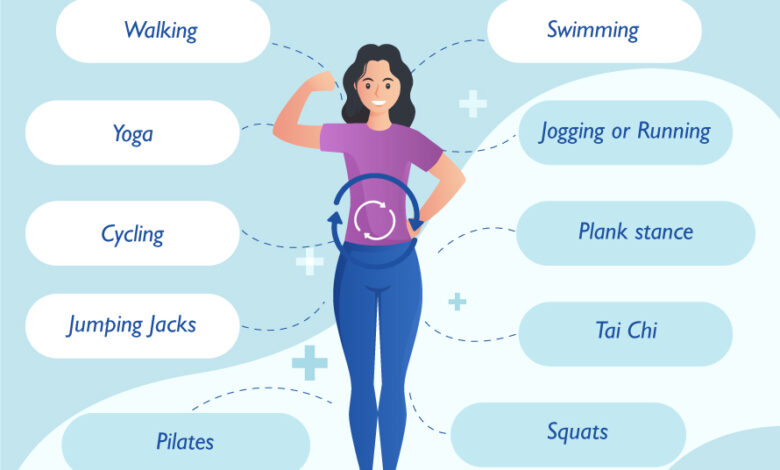
Great exercises for digestion include:
- Walking after meals.
- Yoga poses like twists and gentle stretches.
- Light strength training or cycling.
Even 20–30 minutes of activity most days can do wonders for your digestive health.
Get Enough Sleep
Poor sleep doesn’t just make you tired—it can also throw off digestion. Lack of rest disrupts hormones that regulate appetite and gut function. Over time, this can lead to indigestion, irregular bowel movements, or even acid reflux.
Tips for better sleep:
- Stick to a consistent bedtime.
- Limit caffeine and heavy meals before bed.
- Keep your room dark and quiet.
- Avoid screens an hour before sleeping.
Aim for 7–9 hours of quality sleep each night to keep your gut in balance.
Avoid Overeating
Eating too much in one sitting overwhelms your digestive system and often leads to bloating, indigestion, or heartburn. Instead, aim for smaller, balanced meals spread throughout the day.
Simple tricks to avoid overeating:
- Use smaller plates.
- Listen to your body’s hunger cues.
- Stop eating when you’re about 80% full.
This not only helps digestion but also supports weight management.
Limit Processed Foods and Sugary Drinks
Highly processed foods often contain additives, preservatives, and too much sugar, all of which can harm digestion and disrupt gut bacteria. Sugary drinks, in particular, can increase bloating and feed harmful bacteria in the gut.
Instead, focus on whole, natural foods. Fresh fruits, vegetables, lean proteins, and whole grains should form the base of your diet.
Practice Portion Control With Fats
Healthy fats, like those found in avocados, nuts, and olive oil, are essential for nutrient absorption. However, eating too much fat at once can slow down digestion and cause discomfort.
Balance your meals with moderate amounts of healthy fats, combined with fiber and protein, for smoother digestion.
Try Herbal Teas for Comfort
Certain herbal teas can soothe the digestive system and ease discomfort after meals.
Some helpful teas include:
- Peppermint tea for bloating and gas.
- Ginger tea to reduce nausea.
- Chamomile tea to relax the gut.
- Fennel tea to relieve indigestion.
Drinking a warm cup after meals can be a gentle and natural aid for digestion.
Pay Attention to Food Intolerances
Sometimes digestive issues come from foods your body struggles to handle. Common culprits include lactose, gluten, and certain artificial sweeteners.
If you often feel uncomfortable after eating specific foods, try keeping a food diary to track patterns. Identifying intolerances can help you avoid unnecessary digestive discomfort.
Eat at Regular Times
Your digestive system works best when it follows a routine. Eating meals at irregular times can confuse your body and slow down digestion.
Try to eat at roughly the same times every day, and avoid skipping meals. This helps your gut maintain a natural rhythm.
Practice Mindful Eating
Mindful eating means paying attention to what you eat, how you eat, and how it makes you feel. It reduces overeating, encourages better chewing, and helps you appreciate your food.
How to eat mindfully:
- Sit down without distractions like phones or TV.
- Focus on the flavors, textures, and smells of your food.
- Stop when you feel comfortably full.
Mindfulness creates a better connection between your body and your digestive system.
Final Thoughts: Small Steps for Big Improvements
Improving digestion doesn’t require drastic changes. Instead, it’s about building simple, consistent habits—chewing thoroughly, staying hydrated, eating more fiber, and managing stress. Each small step supports your gut and helps your body function more smoothly.
When your digestion works well, everything else improves too. You’ll feel lighter, more energetic, and healthier overall. So the next time you think about wellness, don’t forget to take care of your gut—it truly is the foundation of good health.