Healthy Cooking Oils: Choosing the Right Fats for Flavor and Wellness
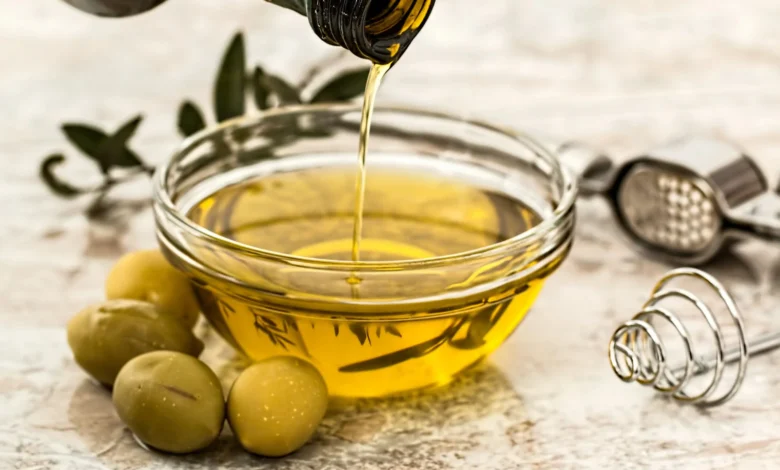
Have you ever stood in the grocery aisle staring at countless bottles of oil, wondering which one is best for your kitchen and your health? With so many options—olive, coconut, avocado, sunflower—it can feel overwhelming to pick the right cooking oil. The good news is that understanding the qualities of different oils can make cooking not only tastier but also healthier. Let’s dive into a friendly, detailed guide to healthy cooking oils that will help you make confident choices for every meal.
Why the Oil You Choose Matters
Cooking oil does more than add flavor. It affects how your body absorbs nutrients, supports heart health, and influences cholesterol levels. Healthy oils provide essential fatty acids and vitamins that your body needs. On the other hand, using the wrong type or low-quality oils can lead to inflammation and other health issues. Knowing the difference helps you cook with confidence while protecting your well-being.
Understanding Smoke Point and Stability
Before exploring individual oils, it’s important to know about smoke point—the temperature at which oil starts to break down and produce harmful compounds. Oils with higher smoke points are better for frying or roasting, while those with lower smoke points work well in salad dressings or for gentle sautéing. Stability also matters. Oils high in polyunsaturated fats can oxidize easily, while those rich in monounsaturated fats stay stable when heated.
Olive Oil: The Mediterranean Star
Olive oil is a classic favorite and for good reason. Extra virgin olive oil (EVOO) is packed with heart-healthy monounsaturated fats and antioxidants. It has a medium smoke point, making it perfect for light sautéing, baking, and salad dressings. Its rich, fruity flavor enhances everything from roasted vegetables to pasta. Regular consumption of olive oil is linked to reduced inflammation and improved heart health.
Avocado Oil: Smooth and Versatile
Avocado oil is a rising star in the world of healthy fats. With a high smoke point of about 500°F (260°C), it’s ideal for high-heat cooking like grilling, roasting, and frying. Rich in monounsaturated fats and vitamin E, it supports heart health and provides a mild, buttery taste. Its versatility makes it a fantastic all-purpose oil for your kitchen.
Coconut Oil: Unique and Flavorful
Coconut oil brings a tropical flavor and unique health benefits. It contains medium-chain triglycerides (MCTs), which may boost energy and metabolism. With a smoke point around 350°F (177°C), it’s best for baking, light frying, or adding a subtle coconut aroma to dishes. While it is high in saturated fat, moderate use can fit into a balanced diet.
Canola Oil: A Balanced Choice
Canola oil offers a light flavor and a good balance of monounsaturated and polyunsaturated fats, including omega-3 fatty acids. It has a high smoke point, making it excellent for stir-frying, roasting, and baking. Choose cold-pressed or organic canola oil to avoid heavily processed versions and enjoy a heart-friendly option that works in both savory and sweet recipes.
Sunflower Oil: Light and Neutral
Sunflower oil is prized for its neutral taste and high smoke point. It contains vitamin E and healthy fats that support immune function and skin health. High-oleic sunflower oil, which is rich in monounsaturated fats, is more stable and better suited for high-heat cooking than regular sunflower oil.
Peanut Oil: Great for High Heat
Peanut oil is a popular choice for frying because of its high smoke point and nutty flavor. It contains a mix of monounsaturated and polyunsaturated fats that support heart health when used in moderation. Its distinct taste pairs beautifully with Asian-inspired dishes and stir-fries.
Sesame Oil: Flavorful and Aromatic
Sesame oil adds a rich, nutty flavor to meals. Light sesame oil works well for sautéing and frying, while toasted sesame oil is best as a finishing touch for dressings, marinades, or drizzling over stir-fried vegetables. Packed with antioxidants and anti-inflammatory compounds, sesame oil offers both flavor and health benefits.
Grapeseed Oil: Clean and Neutral
Grapeseed oil has a light taste and a moderately high smoke point, making it a great choice for baking, roasting, or searing. It’s rich in vitamin E and polyunsaturated fats. While it’s versatile, it’s best to use it in moderation because polyunsaturated fats can oxidize at very high temperatures.
Walnut Oil: Best for Cold Dishes
Walnut oil brings a delicate, nutty flavor that shines in salad dressings, dips, and drizzles over cooked vegetables. It’s high in omega-3 fatty acids, which support heart and brain health. Because it has a low smoke point, it’s not ideal for high-heat cooking but perfect for finishing dishes with a gourmet touch.
Flaxseed Oil: Omega-3 Powerhouse
Flaxseed oil is another excellent source of plant-based omega-3s. It has a strong nutty flavor and is best used in cold dishes like smoothies, salads, or dips. Avoid heating it, as high temperatures can damage its delicate fats.
Tips for Storing Cooking Oils
To maintain freshness and nutrition, store oils in a cool, dark place away from heat and light. Keep lids tightly sealed to prevent oxidation. For delicate oils like walnut or flaxseed, refrigeration can help extend their shelf life.
How to Choose the Best Oil for Your Needs
When selecting a cooking oil, consider how you plan to use it. For frying or roasting, pick oils with high smoke points like avocado or peanut. For dressings and dips, choose flavorful options like extra virgin olive or walnut oil. Always look for cold-pressed or unrefined oils when possible, as they retain more nutrients and natural flavors.
Balancing Omega-3 and Omega-6 Fats
Many modern diets are heavy in omega-6 fatty acids, which can lead to inflammation when not balanced with omega-3s. To maintain this balance, incorporate oils rich in omega-3s like flaxseed or walnut alongside your usual cooking oils. This helps support heart and brain health while reducing inflammation.
Healthy Cooking Practices
Even with the best oils, how you cook matters. Avoid overheating oil, as it can create harmful compounds and unpleasant flavors. Use moderate temperatures and avoid reusing oil from deep frying. Pair oils with whole foods and fresh ingredients to maximize their benefits.
Choosing Quality over Quantity
A little high-quality oil goes a long way. Invest in reputable brands that use sustainable practices and minimal processing. Though premium oils may cost more, their flavor, nutrition, and health benefits are worth it.
Experiment with Blending Flavors
Don’t be afraid to mix oils for unique tastes and textures. For example, combine extra virgin olive oil with a splash of walnut oil for a salad dressing, or mix avocado oil with sesame oil for a stir-fry. Blending oils allows you to balance health benefits with flavor creativity.
Final Thoughts: Cooking with Confidence and Care
Healthy cooking oils bring more than just taste to your kitchen—they add essential nutrients, support heart health, and enhance every dish. By understanding smoke points, nutrient profiles, and storage tips, you can confidently choose the best oils for any recipe. Whether you drizzle extra virgin olive oil over a crisp salad, sear vegetables in avocado oil, or add a nutty note with walnut oil, the right choice elevates both flavor and wellness. Take a closer look at the oils in your pantry and start experimenting today. Your meals—and your health—will thank you. healthy cooking oils