Fire Truck and Ambulance: The Complete Guide to Their Roles, Differences, and Why They Often Work Together
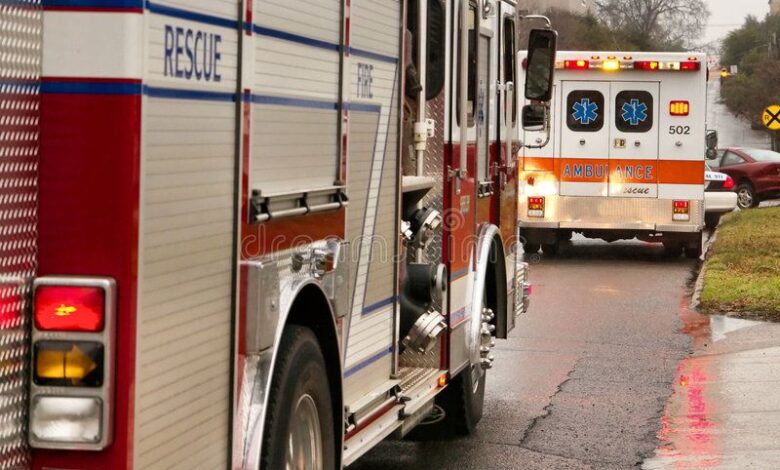
When someone calls for emergency help, the two most recognized vehicles that race toward the scene are the fire truck and ambulance. Their lights flash, their sirens scream, and their crews jump into action the moment they arrive. Whether it’s a fire, a medical emergency, a vehicle accident, or a rescue operation, these two vehicles are at the heart of public safety.
Most people see them frequently but don’t fully understand what each one does, why they are designed the way they are, or why they sometimes show up together even when there’s no fire. The partnership between fire trucks and ambulances is deeper than many realize, and the modern emergency response system relies heavily on both.
This article explains everything you need to know about fire trucks and ambulances, including their design, purpose, equipment, staffing, teamwork, and the important role they play in keeping communities safe.
Understanding the Fire Truck: More Than a Firefighting Vehicle
A fire truck is often imagined as a giant red vehicle packed with hoses, ladders, and water. While that image isn’t wrong, modern fire trucks are far more complex. They’ve evolved into multi-purpose emergency machines designed not just for fighting fires but for handling a wide range of rescue operations.
Primary Purpose of a Fire Truck
- Transporting firefighters to the scene
- Carrying firefighting equipment
- Providing rescue tools for trapped victims
- Supplying water or connecting to a hydrant
- Assisting with medical emergencies
Many people are surprised to learn that fire trucks respond to more medical calls than actual fires in many cities. Fire departments have adapted to changing needs, and the fire truck has become a versatile response unit.
Common Types of Fire Trucks
There isn’t just one type of fire truck. Different communities use different designs depending on terrain, call frequency, and local needs.
1. Engine (Pumper Truck)
This is the traditional fire truck that carries hoses, nozzles, pumps, and a water tank. It handles direct firefighting duties.
2. Ladder Truck
Also known as a “tower” or “aerial,” it has a long extendable ladder used for reaching upper floors, rescuing people from buildings, and ventilating smoke-filled structures.
3. Rescue Truck
This truck carries advanced rescue tools such as hydraulic cutters, spreaders, airbags, rope systems, and heavy-duty saws. It is basically a toolbox on wheels.
4. Wildland Fire Engine
Designed for forests, deserts, and rugged terrain, these are smaller, more mobile fire engines.
5. Squad or Combination Units
Some departments use hybrid rescue-fire units that provide both fire suppression and first response medical care.
Every fire truck is carefully equipped and configured to handle the specific emergencies of its region.
Inside the Fire Truck: Equipment and Tools
A fire truck is packed with equipment, and every tool has a purpose. The organization inside a fire truck is intentionally designed so firefighters can access what they need in seconds.
Firefighting Equipment
- High-pressure water pumps
- Foam systems
- Large-diameter hoses
- Hydrant adapters
- Portable extinguishers
- Thermal cameras for locating heat sources
Rescue Tools
- Hydraulic “jaws of life”
- Chainsaws and rotary saws
- Rope rescue kits
- Ladders of multiple lengths
- Stabilization blocks for vehicles
- Air bags for lifting heavy objects
Medical Equipment
Although not a full ambulance, many fire trucks carry:
- Automated external defibrillators
- Trauma bags
- Oxygen tanks
- Splints and basic medical supplies
Firefighters are often trained as EMTs, meaning they can provide immediate medical assistance before an ambulance arrives.
What an Ambulance Really Does
An ambulance is not just a transport vehicle. It’s a mobile medical care unit built to stabilize patients and provide treatment on the way to a hospital. The modern ambulance is designed to function as an extension of the emergency room, allowing trained medical personnel to begin life-saving interventions immediately.
Primary Purposes of an Ambulance
- Provide first aid and life support
- Transport patients safely
- Monitor vital signs continuously
- Perform advanced medical procedures when necessary
Ambulances are staffed by highly trained professionals. Depending on the region, this may include EMTs, paramedics, nurses, or even doctors in critical care transport units.
Types of Ambulances
1. Basic Life Support (BLS) Ambulance
Staffed by EMTs, used for less critical patients.
2. Advanced Life Support (ALS) Ambulance
Staffed by paramedics, equipped with heart monitors, IV equipment, advanced airway tools, and emergency medications.
3. Critical Care Units
These specialize in transporting severely ill patients who require continuous hospital-level monitoring.
4. Specialty Ambulances
Designed for specific patient types, such as:
- Pediatric patients
- Newborn infants
- Bariatric (overweight) patients
- Cardiac emergency patients
Some agencies even use motorcycle ambulances or small rapid-response units in areas where traffic or location makes traditional ambulances slower.
What’s Inside an Ambulance?
Ambulances carry medical equipment similar to what you’d find in a small emergency room.
Life-Saving Equipment
- Defibrillators
- Ventilators
- Suction machines
- Oxygen regulators
- Pulse oximeters
- Cardiac monitors
Trauma and Emergency Supplies
- Bandages and gauze
- Splints and braces
- Burn kits
- Neck collars
- IV fluids and medications
- Tourniquets and pressure dressings
Patient Transport Tools
- Wheeled stretchers
- Scoop stretchers
- Backboards
- Stair chairs
Everything inside an ambulance is organized for quick access, allowing paramedics to work rapidly and efficiently.
Why Fire Trucks and Ambulances Respond Together
One of the most common questions people ask is:
“Why does a fire truck show up when no fire is happening?”
There are several important reasons.
1. Firefighters Are Trained Medical First Responders
In many regions, firefighters are also certified EMTs or paramedics. Fire departments recognized long ago that medical emergencies make up a huge portion of calls. As a result, fire crews are trained to provide immediate care.
2. Fire Trucks Are Often Closer
There are usually more fire stations than ambulance bases, and fire trucks are fully staffed around the clock. This means they often arrive faster.
Seconds matter during:
- Heart attacks
- Breathing issues
- Strokes
- Trauma injuries
A quick response can make the difference between life and death.
3. Medical Emergencies Often Need More Hands
A heart attack or serious trauma might require:
- CPR
- Defibrillation
- Airway management
- Lifting or moving the patient
- Scene stabilization
A fire truck brings more personnel to help the ambulance team.
4. Some Scenes Require Technical Rescue
Car crashes, machinery accidents, or building collapses often require tools that only fire trucks carry. The ambulance provides medical support while the fire truck handles extraction.
5. Dispatch Systems Send Both Units When Details Are Unclear
Many emergency calls are vague. To avoid delays, dispatch centers send both fire and EMS units. It’s better to have more help than needed than not enough.
How They Work Together at the Scene
Fire trucks and ambulances often operate as a coordinated team. Here’s how they typically handle different situations.
Vehicle Accidents
The fire truck:
- Stabilizes the vehicle
- Cuts doors or roofs if needed
- Handles fuel leaks or fire hazards
The ambulance:
- Assesses the patient
- Treats injuries
- Transports the patient
Medical Emergencies
Firefighters arrive first to:
- Provide CPR
- Administer oxygen
- Control bleeding
- Operate defibrillators
The ambulance takes over for transport and advanced treatment.
Fire Situations
The fire truck handles suppression, ventilation, and rescue, while ambulances:
- Treat smoke inhalation
- Assist injured residents
- Support firefighters who may suffer heat exhaustion
Their partnership is seamless and essential.
Design and Safety Features
Both fire trucks and ambulances are engineered for safety and speed.
Fire Truck Design Features
- Large air horns
- High-visibility markings
- Heavy-duty brakes
- Reinforced bumpers
- Tall viewing windows for situational awareness
Ambulance Design Features
- Climate-controlled patient compartment
- Suspended stretchers for comfort
- Sound-dampening interior
- Crash-tested interior equipment
Both vehicles use flashing lights and sirens to alert drivers and ensure a clear path through traffic.
The Human Element: Firefighters and Paramedics
Behind every fire truck and ambulance are highly trained professionals who dedicate their lives to helping others. They undergo rigorous education in:
- Fire science
- Advanced medical care
- Hazardous materials handling
- Technical rescue
- Emergency driving
- Crisis management
These individuals face intense, unpredictable situations daily. Their ability to stay calm under pressure, think clearly, and act quickly saves countless lives each year.
How Technology Is Transforming Fire Trucks and Ambulances
Technology is playing a growing role in modern emergency response, improving both safety and effectiveness.
Innovations Include:
- GPS-connected dispatch systems
- Automatic traffic signal control
- Real-time communication networks
- Tablet-based patient care reporting
- Drone-assisted search and fire assessment
- Electric fire engines
- Smarter medical monitoring devices in ambulances
These advancements ensure faster responses, better coordination, and improved outcomes for patients.
Conclusion: Why Fire Trucks and Ambulances Are Essential to Public Safety
Fire trucks and ambulances are more than just emergency vehicles — they are symbols of protection and readiness. Their roles go far beyond what most people assume. A fire truck brings manpower, equipment, and immediate rescue capabilities, while an ambulance provides advanced medical care and safe transport.
Together, they create a powerful emergency response system capable of handling virtually any crisis. Whether it’s a medical emergency, a fire, an accident, or a natural disaster, fire trucks and ambulances work side-by-side to save lives and keep communities safe.
These vehicles, and the people who operate them, represent the very best of public service.