Benefits of Intermittent Fasting: How Skipping Meals Can Boost Your Health and Energy
Have you ever wondered if eating less often could actually make you feel better, think sharper, and even live longer? Intermittent fasting, often called IF, is more than just a trend—it’s a lifestyle approach that has captured the attention of health enthusiasts around the world. By alternating between periods of eating and fasting, people discover a simple yet powerful way to improve well-being without strict diets or complicated rules. Let’s explore the many benefits of intermittent fasting in a friendly, easy-to-follow guide that shows how this practice can transform your health.
Understanding Intermittent Fasting
Before diving into the benefits, it helps to understand what intermittent fasting really means. Instead of focusing on what you eat, IF focuses on when you eat. Common patterns include the 16:8 method, where you fast for 16 hours and eat during an 8-hour window, or the 5:2 method, where you eat normally for five days and reduce calories for two. This flexible approach fits different lifestyles and cultures, making it easier to adopt than many restrictive diets.
Supports Natural Weight Management
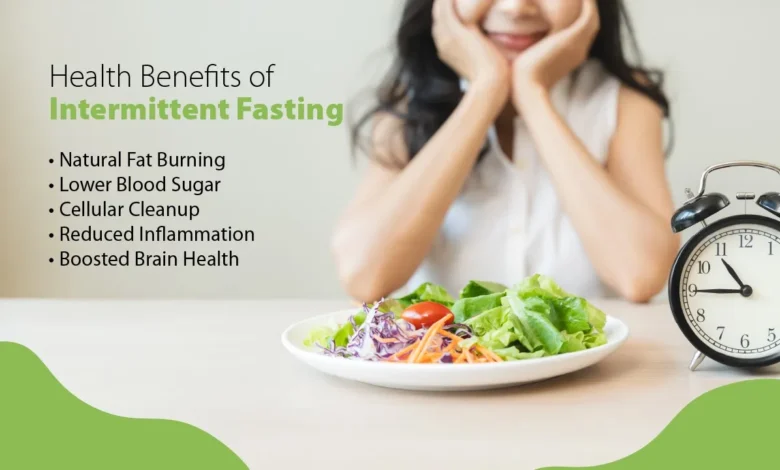
One of the most talked-about benefits of intermittent fasting is weight management. When you shorten your eating window, you naturally consume fewer calories. During fasting periods, your body burns stored fat for energy, which supports gradual and sustainable weight loss. Unlike many fad diets, IF encourages mindful eating without the need for constant calorie counting.
Improves Insulin Sensitivity
Intermittent fasting helps your body regulate blood sugar more effectively. When you give your system a break from constant food intake, insulin levels drop, allowing your cells to use stored energy efficiently. Better insulin sensitivity lowers the risk of type 2 diabetes and helps stabilize energy levels throughout the day. This benefit alone makes IF appealing to anyone concerned about long-term metabolic health.
Boosts Cellular Repair
During fasting, your body activates a process called autophagy—a natural way of cleaning out damaged cells and replacing them with healthier ones. Think of it as your body’s internal recycling system. This cellular repair helps reduce inflammation and may lower the risk of chronic diseases such as cancer and Alzheimer’s. Regular intermittent fasting gives your cells the chance to heal and renew.
Supports Heart Health
Your heart benefits from intermittent fasting too. Studies suggest it can lower bad cholesterol (LDL), reduce blood pressure, and decrease inflammation—key factors in protecting cardiovascular health. Over time, these changes support a stronger heart and better circulation, helping you feel more energetic and resilient.
Enhances Brain Function
Fasting is not just good for the body; it’s also great for the brain. When you fast, your body produces more brain-derived neurotrophic factor (BDNF), a protein that supports learning, memory, and overall cognitive health. Some research even suggests that intermittent fasting can help protect against age-related conditions like dementia.
Encourages Mindful Eating
Because IF limits when you eat, it naturally makes you more aware of what you consume. People often report that they savor their meals more and reduce mindless snacking. This mindfulness can help build a healthier relationship with food and improve digestion by allowing the body to fully process meals without constant grazing.
Simplifies Your Daily Routine
Planning and preparing fewer meals can save time and reduce stress. With intermittent fasting, you might skip breakfast or delay your first meal until later in the day, which means less time spent cooking and cleaning. Many people find this simplicity refreshing, especially in busy lifestyles where every minute counts.
Boosts Energy and Reduces Cravings
It may sound surprising, but many people experience more energy while fasting. Stable blood sugar levels prevent the energy crashes that often follow high-sugar snacks or heavy meals. Cravings for processed foods may also decrease, as your body learns to rely on fat stores for steady fuel.
Supports Longevity
While more research is needed, early studies on animals show that intermittent fasting may extend lifespan. The combination of reduced inflammation, improved metabolic health, and cellular repair creates a foundation for a longer, healthier life. Many researchers believe these benefits could apply to humans, making IF a potential key to healthy aging.
Encourages a Healthy Gut
Fasting gives your digestive system a much-needed rest. This break allows your gut to repair and maintain its delicate balance of bacteria. A healthier gut can improve nutrient absorption, reduce bloating, and support a stronger immune system.
Reduces Inflammation
Chronic inflammation is linked to many diseases, including heart disease and arthritis. Intermittent fasting can lower markers of inflammation in the body, which helps protect against these conditions. Less inflammation means less joint pain and improved overall comfort.
Fits Many Lifestyles
Unlike restrictive diets that require specific foods or expensive supplements, intermittent fasting adapts to your preferences. Whether you prefer plant-based meals, traditional dishes, or a mix of everything, you can still enjoy your favorite foods within your eating window. This flexibility makes it easier to stick with over the long term.
Promotes Hormone Balance
Fasting naturally increases human growth hormone (HGH), which supports muscle maintenance, fat metabolism, and overall vitality. Balanced hormones contribute to better sleep, improved mood, and increased energy, helping you feel your best.
Improves Mental Clarity and Focus
Many people find that fasting sharpens their focus. Without the distraction of frequent meals, your mind feels clearer and more alert. This can be especially helpful during work or creative projects where concentration matters most.
Builds Discipline and Confidence
Choosing to fast requires commitment, and sticking to a schedule builds self-discipline. Each successful fasting period brings a sense of accomplishment that strengthens confidence and encourages healthy habits in other areas of life.
Tips to Get Started with Intermittent Fasting
If you’re ready to try IF, start gradually. Begin with a 12-hour overnight fast and slowly extend the fasting window as your body adjusts. Drink plenty of water, herbal tea, or black coffee during fasting hours to stay hydrated. Focus on nutrient-rich meals when you do eat—think lean proteins, vegetables, whole grains, and healthy fats. Most importantly, listen to your body and consult a healthcare professional if you have underlying health concerns.
Common Myths Debunked
Some people worry that skipping meals slows metabolism or causes muscle loss. In reality, intermittent fasting often preserves muscle mass when combined with a balanced diet and regular activity. Others fear extreme hunger, but many find that appetite decreases once the body adapts. Understanding these myths helps you approach IF with confidence.
When to Be Cautious
While intermittent fasting offers many benefits, it may not suit everyone. Pregnant or breastfeeding women, people with certain medical conditions, or those with a history of eating disorders should seek medical advice first. It’s essential to find a routine that supports—not harms—your health.
Final Thoughts: A Simpler Path to Wellness
Intermittent fasting is more than just a way to lose weight. It’s a lifestyle shift that supports physical health, mental clarity, and long-term well-being. By giving your body regular breaks from eating, you allow natural processes like cellular repair, hormone balance, and improved insulin sensitivity to thrive. Whether you’re seeking better focus, more energy, or a healthier relationship with food, the benefits of intermittent fasting are worth exploring. Start slowly, stay consistent, and discover how this simple practice can lead to a more vibrant, balanced life. benefits of intermittent fasting