Bank Bag with Lock: The Secure Solution for Cash and Document Handling
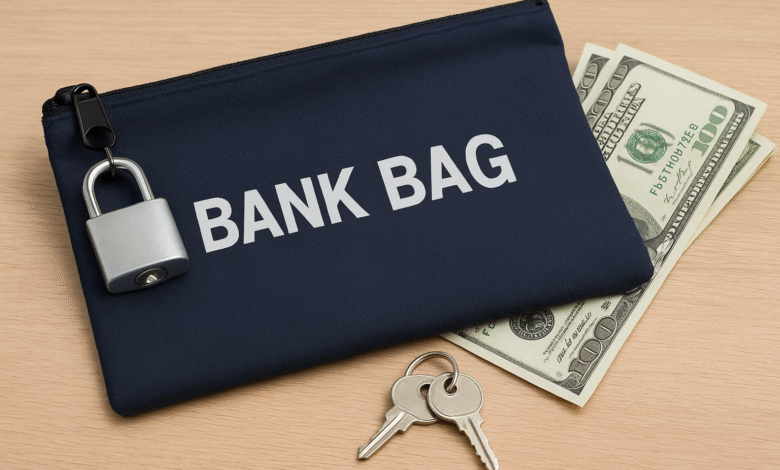
In today’s fast-moving business world, keeping cash, checks, and important documents safe during transit is a top priority. Whether you run a retail store, a bank branch, or a small business that handles daily deposits, having a bank bag with lock offers an added layer of protection. These secure pouches are specifically designed to transport and store money or sensitive paperwork safely, ensuring peace of mind for everyone involved.
This article explores everything you need to know about bank bags with locks — their purpose, design, materials, lock mechanisms, and how to choose the right one for your business.
What Is a Bank Bag with Lock?
A bank bag with lock is a durable and tamper-resistant bag used to safely transport cash, coins, checks, or documents. It includes a locking mechanism — either built-in or external — to prevent unauthorized access. Unlike ordinary pouches or envelopes, these bags are specifically engineered for financial security.
Businesses use bank deposit bags with lock to ensure that once funds are placed inside and sealed, they can only be accessed by authorized personnel with the correct key or combination. It’s a common tool in banking, retail, hospitality, and logistics industries where money handling is routine.
In essence, a bank money bag with lock is not just a simple carrying tool — it’s a crucial part of a company’s cash management and loss-prevention system.
Why Businesses Use Bank Bags with Locks
There are several reasons why bank bags with locks have become essential for businesses of all sizes:
- Security and Theft Prevention:
These bags reduce the risk of theft during cash transfers between cash registers, safes, or bank deposits. - Tamper Evidence:
Many models show clear signs if someone attempts to open or damage them, providing a visible security deterrent. - Accountability:
Using locked bags helps establish a documented chain of custody. Each handover can be logged, minimizing disputes or confusion. - Professionalism:
Transporting funds in a bank deposit bag with lock presents a professional and trustworthy image to clients and staff. - Reusable and Cost-Effective:
Unlike disposable security envelopes, bank money bags with lock are reusable, reducing long-term costs.
Common Types of Bank Bags with Locks
There isn’t just one standard type of bank bag with lock — they vary in size, material, and locking mechanism. Here are the most common types:
1. Laminated Nylon Locking Bags
These are some of the most widely used bank bags with locks. Made from reinforced laminated nylon, they’re lightweight, water-resistant, and durable enough for daily use. The material resists tears and punctures, which keeps contents safe even during heavy handling.
2. Canvas Locking Bags
Canvas bags are classic, sturdy, and often used for larger sums of cash or coins. They have strong stitching and zippers, making them ideal for long-term use.
3. Waterproof or Fire-Resistant Bags
For businesses that transport money over long distances or in unpredictable weather, waterproof bank deposit bags with lock offer extra protection. Some models even have fire-resistant linings for safeguarding documents.
4. Tamper-Evident Locking Bags
These bags are specifically designed to show if anyone has tried to access them. They include special zippers or seams that tear or display signs of tampering when forced open.
5. Combination Lock Bags
Instead of keys, these bags use a built-in number combination system. They eliminate the problem of lost keys and are perfect for businesses that want flexible access control.
6. Padlock-Ready Bags
Some bank bags with lock don’t have a built-in locking system but come with reinforced eyelets for attaching a padlock. This gives users flexibility in choosing their own lock type and level of security.
Locking Mechanisms: Key vs. Combination
The heart of every bank money bag with lock is its locking mechanism. Here’s what you need to know about the two main types:
Key Lock Systems
This is the most traditional and widely used mechanism. Each bag comes with a specific key or set of keys.
- Keyed Alike: Multiple bags can be opened with the same key — convenient for businesses with several bags and one responsible person.
- Keyed Differently: Each bag requires its own unique key — ideal for high-security environments.
Combination Locks
These bags use a three or four-digit combination that the user sets.
- No keys to lose or duplicate.
- Access can be easily changed if needed.
- Often used by organizations with multiple team members who need access.
Both options can be equally secure; the choice depends on how your business manages cash handling and key control.
Materials Used in Bank Bags with Locks
The durability of bank bags with lock largely depends on the material they are made from. Common materials include:
- Laminated Nylon: Puncture and water-resistant, excellent for everyday deposits.
- Canvas: Strong and long-lasting, suitable for heavy cash handling.
- Vinyl: Easy to clean and often used for document storage.
- Fireproof Fabric: Adds another layer of safety for sensitive documents.
Many premium bank deposit bags with lock combine multiple layers of material for extra toughness and protection against environmental damage.
Sizes and Design Options
Bank bags with locks come in various sizes to accommodate different needs. A small business might use compact 9”x11” bags for daily deposits, while large retailers might require 15”x20” or bigger bags for transporting bulk cash or coins.
Other common design features include:
- ID Window: For labeling bag contents or identifying the branch.
- Color-Coding: Businesses often use different colors to distinguish departments or locations.
- Heavy-Duty Zippers: To resist breakage and prevent forced openings.
- Custom Printing: Some companies print their logo or department name for easy tracking.
Where Bank Bags with Locks Are Used
These bags have countless applications across industries. Some of the most common include:
- Banking Sector:
Used for moving deposits between branches or to central safes. - Retail and Supermarkets:
Daily sales are sealed in bank deposit bags with lock before being sent to the bank. - Restaurants and Hospitality:
For handling daily cash flow securely between shift managers and deposit runs. - Transportation and Couriers:
Security companies use bank money bag with lock systems to move high-value assets. - Government and Offices:
Used to transfer confidential files, IDs, or official records securely. - Individuals:
Some people use small bank bags with locks to store personal documents, passports, or jewelry when traveling.
How to Choose the Right Bank Bag with Lock
Choosing the best bank bag with lock depends on your specific needs. Here are some tips:
- Assess Your Use Case:
For daily deposits, pick a medium-sized laminated nylon bag. For long-distance transport, go for a waterproof, tamper-proof design. - Select the Lock Type:
Choose between keyed or combination locks based on who will access the bag. - Material Matters:
If the bag will be used often, invest in heavy-duty canvas or reinforced nylon. - Check Tamper Resistance:
Ensure the seams, zippers, and lock can’t be easily compromised. - Labeling and Tracking:
Choose a bag with an ID holder for easy record-keeping. - Size and Capacity:
Don’t buy a bag that’s too large — excess space can make contents move around and cause damage. - Key Management:
If using keyed bags, plan how keys will be stored and who can access them.
Best Practices for Using Bank Bags with Locks
To get the most security from your bank deposit bags with lock, follow these best practices:
- Always double-check that the bag is locked before handing it over.
- Maintain a deposit log with serial numbers or IDs.
- Limit the number of employees who have access to keys or codes.
- Inspect bags regularly for wear and tear.
- Replace damaged locks or bags immediately.
- Use different colored bags for separate departments or purposes.
- Store locked bags in a safe until transport.
By incorporating these steps, businesses can ensure every bank money bag with lock serves its intended purpose efficiently.
Advantages of Using Bank Bags with Locks
The benefits of using bank bags with locks go beyond basic security:
- Enhanced Protection:
Keeps money safe from theft and damage. - Accountability:
Creates an auditable record of cash handling. - Reusable:
Saves money in the long term. - Professional Appearance:
Gives your business a more organized and secure image. - Peace of Mind:
Knowing your cash is secured until deposit reduces employee stress and management risk.
Limitations of Bank Bags with Locks
While bank bags with lock provide a high level of security, they’re not foolproof. Understanding their limitations helps improve your overall system:
- Not a Safe: A bag can be stolen even if locked — use it alongside other security measures.
- Lock Vulnerability: Cheaper locks can be picked or forced open.
- Key Management Issues: Lost keys can render a bag unusable.
- Wear and Tear: Over time, even durable bags can degrade and need replacement.
For best results, businesses should use locked bank bags as one component of a larger security plan involving safes, surveillance, and trained personnel.
Maintaining Your Bank Money Bag with Lock
Proper care ensures your bank deposit bags with lock last longer and stay secure:
- Clean with mild soap and water — avoid harsh chemicals.
- Keep the lock mechanism lubricated.
- Store bags in a cool, dry place.
- Regularly inspect zippers and stitching for frays or holes.
- Replace locks or bags immediately if they show tampering signs.
Final Thoughts
A bank bag with lock is a small investment with big security benefits. It protects money, documents, and valuables while improving accountability and professionalism in your operations. Whether you manage a single shop or a nationwide chain, using reliable bank bags with locks can drastically reduce risks during cash handling.
When combined with sound security practices and trusted staff, bank deposit bags with lock become one of the most practical and cost-effective solutions for safeguarding business assets.
So, if you value security, reliability, and efficiency, make sure a bank money bag with lock is part of your daily operations — because peace of mind is worth every penny.