What Really Happened in the Zillakami Drama?
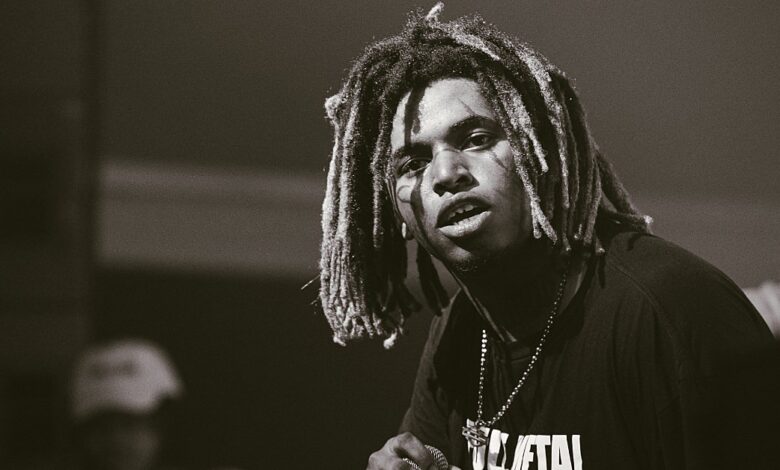
Have you ever wondered why the name Zillakami often trends not just for his music but also for the drama surrounding him? The rapper, known for his raw energy and unfiltered style, has built a reputation that stretches far beyond the studio. His story is a mix of controversy, creativity, and complex relationships within the music world. The Zillakami drama has intrigued fans for years, leaving many to question where the truth lies and how it has shaped his career.
The Rise of Zillakami: From Underground to Spotlight
Before any drama ever began, Zillakami’s journey started deep in the underground rap scene. Born Junius Rogers, he developed an early passion for music that didn’t fit into conventional molds. He loved heavy metal, hardcore punk, and raw hip-hop, blending all these influences into a genre-bending sound.
His early collaborations, especially with SosMula, led to the creation of City Morgue, a duo that quickly gained recognition for its aggressive style. Their music broke boundaries, merging rap with elements of metal and hardcore energy. Zillakami became known for his intense lyrics, gritty delivery, and striking visual presence. Fans admired how he didn’t try to fit in; he created his own lane instead.
The Roots of the Drama
The Zillakami drama didn’t appear out of nowhere. It has roots in his early collaborations and friendships, particularly with rapper 6ix9ine (Tekashi69). Before fame and chaos, Zillakami worked closely with 6ix9ine. He even helped him craft songs and develop his aggressive rap persona. Many fans claim that Zillakami’s creative influence played a big role in shaping 6ix9ine’s early image and sound.
However, as 6ix9ine’s fame skyrocketed, tension began to rise. Reports suggest disagreements over credit, authenticity, and direction. Zillakami eventually cut ties, and that fallout became one of the most discussed events in his early career. Fans were quick to take sides, and rumors spread rapidly.
The separation left many wondering what truly happened behind closed doors. While neither artist has fully revealed every detail, the situation highlighted the darker side of fame—how creative partnerships can quickly dissolve under pressure.
Zillakami’s Response to the Controversy
Unlike many artists who dive into public feuds, Zillakami chose a different route. Rather than endlessly arguing online, he focused on his music. His lyrics, however, began reflecting a deeper anger and betrayal, hinting at his side of the story. Songs filled with aggression, frustration, and defiance seemed to channel his emotions without directly naming names.
Fans interpreted many of these tracks as his way of processing the drama. This subtle yet powerful approach showed that Zillakami didn’t need to shout his truth—he could express it through art. That honesty became one of his trademarks and gained him even more respect in the underground scene.
The Role of City Morgue in His Comeback
After distancing himself from 6ix9ine, Zillakami found new creative freedom through City Morgue. Alongside SosMula, he began shaping a sound that was entirely his own. Their music was raw, dark, and brutally honest. It reflected a world filled with chaos but also with a strange kind of beauty.
City Morgue’s success proved that Zillakami could thrive without industry backing or big collaborations. The duo’s albums like “City Morgue Vol 1: Hell or High Water” and “Vol 2: As Good As Dead” cemented their status as pioneers in the trap-metal genre. Fans appreciated their authenticity and fearless experimentation.
Through City Morgue, Zillakami reclaimed control of his narrative. He showed that controversy might follow him, but it wouldn’t define him.
Why Fans Connect With the Drama
One reason the Zillakami drama continues to fascinate fans is because it feels real. In a world where many artists curate perfect images, Zillakami stands out for his raw honesty. He doesn’t hide behind a fake persona. When he’s angry, he shows it. When he’s hurt, it echoes in his music.
Fans also connect because his story mirrors real-life struggles—friendship breakups, creative disputes, and personal evolution. Many listeners see parts of themselves in his story. That relatability transforms controversy into connection.
The Social Media Storm
Of course, no modern drama stays off social media for long. When tension between Zillakami and 6ix9ine surfaced, fans flooded Twitter, Instagram, and Reddit with theories. Some accused 6ix9ine of betrayal. Others believed both artists shared the blame.
While Zillakami didn’t directly feed the online fire, snippets of interviews and cryptic posts kept the buzz alive. The internet loves conflict, and this drama became one of those moments that blurred the line between art and reality.
What makes Zillakami different, though, is how he used the attention. Instead of letting it ruin his career, he transformed it into motivation. The noise surrounding his name drew curious listeners, and many stayed because of his genuine artistry.
The Impact on His Career
Controversy can destroy some careers, but for Zillakami, it seemed to ignite a fire. The drama pushed him to become even more independent and confident in his style. After breaking away from his past, his fanbase grew stronger. People admired his resilience and refusal to conform.
Albums and singles released after the drama showcased artistic maturity. His lyrics became more introspective, tackling subjects like isolation, pain, and identity. Instead of trying to prove himself through feuds, he let his music speak louder than the rumors.
This shift not only improved his reputation but also solidified his place as one of the most authentic voices in modern rap.
How the Drama Changed His Image
Before the drama, Zillakami was seen mainly as a collaborator or underground artist. After it, he became a symbol of individuality and rebellion. Fans admired how he handled the situation without losing his edge or compromising his vision.
The media often focuses on controversy as a negative force, but in this case, it became a turning point. Zillakami’s image evolved from a background figure to a leading creative force. The drama helped define his identity as someone who doesn’t need validation from mainstream success.
The Music That Spoke Louder Than Words
Songs like “Chains,” “Bleach,” and “Frosty” carried more emotional weight after the drama. Listeners started connecting lyrics to his personal journey. The rage in his voice, the dark imagery, and the vulnerable undertones all reflected someone who had been through betrayal and rebirth.
Zillakami’s unique blend of aggression and emotion created a sound that felt both cathartic and relatable. While the world gossiped, he used art as therapy. That’s something not every artist can achieve.
Public Perception and Media Coverage
Media outlets often highlight the most dramatic aspects of celebrity lives, and Zillakami wasn’t spared. Articles and videos analyzing his fallout with 6ix9ine circulated widely. Some painted him as the victim, others as the antagonist. But over time, public perception shifted.
As more people discovered his solo work and City Morgue’s projects, the focus moved away from gossip toward appreciation. Fans started seeing him as a survivor of the industry’s chaos—a creator who refused to be defined by headlines.
Why the Drama Still Gets Mentioned Today
Even years later, the Zillakami drama continues to come up in conversations. Part of it is nostalgia for the early SoundCloud era when raw, aggressive rap was exploding. Another part is curiosity about how the fallout shaped his career.
The story remains relevant because it symbolizes independence. It’s a reminder that success doesn’t always come from smooth paths. Sometimes, the most powerful growth happens through conflict.
Lessons Artists Can Learn from Zillakami
The drama surrounding Zillakami offers lessons for new artists trying to navigate the music industry. The first lesson is to value creative integrity over quick fame. Zillakami chose authenticity, even when it meant losing opportunities.
Another lesson is resilience. Instead of letting betrayal break him, he turned it into fuel. His ability to rebuild his career from the ground up proves that true artistry doesn’t depend on external validation.
Finally, his story reminds artists to keep personal and professional boundaries clear. Not every partnership lasts, and understanding that early can prevent heartbreak later.
The Evolution of Zillakami’s Artistry
As years passed, Zillakami’s sound continued to evolve. His solo projects, like “Dog Boy,” displayed a more reflective side. The raw aggression remained, but it was balanced with introspection. The album explored themes of pain, loss, and transformation, showing his growth as both an artist and a person.
His willingness to evolve without abandoning his roots shows artistic courage. It also demonstrates that controversy doesn’t define creativity—it challenges it to reach new depths.
The Relationship with Fans After the Drama
Zillakami’s connection with his fans grew even stronger after the controversy. Many admired how he stayed true to himself. Unlike some artists who retreat during tough times, he remained visible, vocal, and honest.
His live performances reflected that same authenticity. On stage, he poured his emotions into every word, turning concerts into shared experiences. Fans didn’t just watch him perform—they felt his story unfold in real time.
The Broader Message Behind the Zillakami Drama
At its heart, the Zillakami drama is about self-identity and staying true to one’s vision. It’s a story of a young artist who faced betrayal, controversy, and doubt but refused to let any of it silence him. Instead, he built something greater from the chaos.
His journey shows that authenticity always wins in the end. Trends fade, feuds pass, but real artistry endures.
The Legacy of Zillakami
Today, Zillakami stands as one of the few artists who have successfully bridged the gap between underground and mainstream without losing authenticity. The drama that once seemed like a setback now looks like a defining chapter in his story.
He represents a generation of artists who prioritize truth over image, expression over approval. His legacy continues to grow because he never allowed drama to dictate his destiny.
Final Thoughts
The Zillakami drama might have started with conflict, but it ended with empowerment. It revealed the challenges of artistic partnerships, the pain of betrayal, and the power of resilience. Through it all, Zillakami emerged stronger, more independent, and more respected than ever.
His story proves that drama doesn’t have to destroy—it can transform. It can push artists to redefine themselves and create work that speaks louder than any controversy. In the end, Zillakami didn’t just survive the drama—he turned it into part of his legend.