Michael Bay Skibidi Toilet DMCA: What Really Happened Behind the Viral Takedown Drama?
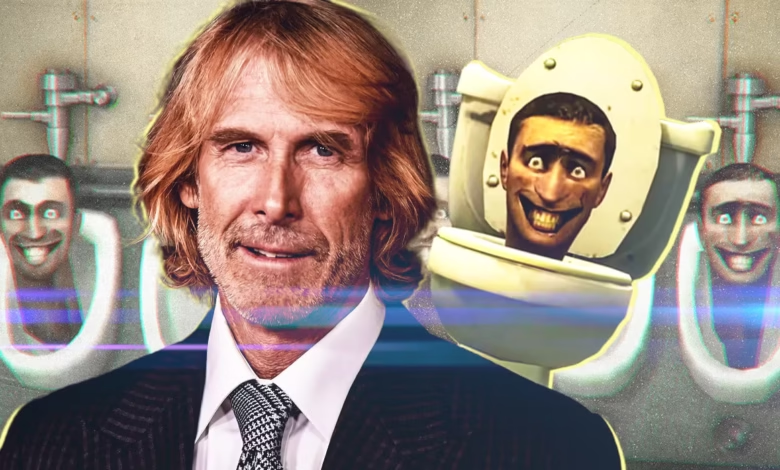
Have you ever scrolled through the internet and found something so strange yet so entertaining that you couldn’t stop watching? That is exactly what the Skibidi Toilet series became for millions of people. But when the name of famous director Michael Bay got linked to a supposed DMCA claim about it, the internet nearly exploded. Fans were confused, amused, and curious all at once. What could possibly connect a Hollywood action director known for explosions and slow-motion hero shots with a surreal toilet-based meme series? Let’s dig into what really happened with the Michael Bay Skibidi Toilet DMCA story and why it became such a viral topic online.
What Is the Skibidi Toilet Series?
Before we get into the DMCA rumors, it’s important to understand what Skibidi Toilet actually is. The Skibidi Toilet series is an online animated show created by DaFuq!?Boom!, a content creator who rose to fame through his absurd yet creative style. The show features toilets with human heads singing a catchy “Skibidi dop dop dop yes yes” song, locked in an ongoing battle with humanoid characters known as the Cameramen, Speakermen, and TV Men. The premise sounds ridiculous, but that’s exactly what made it so fun. It’s chaotic, colorful, and full of fast-paced energy that perfectly fits modern meme culture.
As episodes kept coming out, the series gained a cult following. Fans began creating theories, fan art, and even their own spin-offs. Skibidi Toilet was everywhere on TikTok, YouTube Shorts, and Instagram Reels. It became one of those internet sensations that’s so strange you can’t help but watch.
How Did the Michael Bay Skibidi Toilet DMCA Rumor Start?
The Michael Bay DMCA rumor started when screenshots began circulating online that claimed one of the Skibidi Toilet videos had been removed due to a copyright complaint supposedly filed by Michael Bay. The image showed what looked like a YouTube copyright takedown notice naming the director. People immediately began to share it, joking that maybe Bay thought the Skibidi Toilets had too many explosions or that someone had used one of his movie clips.
The rumor grew fast because it was both absurd and believable in the context of internet humor. Fans on Twitter, Reddit, and Discord began speculating. Some thought Bay had filed it because someone edited Skibidi Toilet scenes with Transformers sound effects. Others joked that Bay was planning to direct a live-action Skibidi Toilet movie and didn’t want “competition.”
However, none of these claims were ever confirmed. There was no verified evidence showing that Michael Bay himself or his production team issued a DMCA strike. In fact, most likely it was a fake screenshot created as a meme that spiraled out of control.
What Is a DMCA and Why Does It Matter?
To understand why this rumor caught fire, you need to know what a DMCA is. The Digital Millennium Copyright Act, or DMCA, allows creators or companies to request the removal of online content that uses their copyrighted material without permission. YouTube uses this system to keep track of ownership rights and handle disputes.
Because the Skibidi Toilet series uses lots of memes, music clips, and sounds, it’s not unusual for videos to face copyright flags. Fans are used to creators getting strikes, so when they saw “Michael Bay” listed in one, it didn’t seem too impossible. The idea that a big Hollywood director might have filed it just made it more entertaining to spread.
Why Did the Internet Believe It?
The internet loves a strange story, especially when it mixes unrelated worlds like Hollywood and meme culture. Michael Bay is famous for directing massive, explosive movies like Transformers, Bad Boys, and Armageddon. His name is practically a meme itself when it comes to over-the-top action. Pair that with the absurdity of Skibidi Toilet, and it’s a perfect storm of online humor.
Memes and parody posts began spreading instantly. People joked that Bay was planning to turn the Skibidi Toilets into giant alien robots. Others created fake trailers and AI-generated clips titled “Directed by Michael Bay.” The crossover was so funny that most people shared it for laughs, not realizing that some took it seriously.
Did Michael Bay Actually File a DMCA Claim?
No, there is no real evidence that Michael Bay or his studio had anything to do with a DMCA claim against Skibidi Toilet videos. Official records from YouTube and statements from involved parties never supported it. The so-called takedown notice that went viral turned out to be an edited image or a hoax. It was just another example of how easily misinformation spreads online when it’s wrapped in humor.
In truth, Michael Bay has no connection to DaFuq!?Boom! or the Skibidi Toilet franchise. He’s busy working on his own film projects, and there’s no logical reason for him to target a surreal internet meme series. The confusion came from how believable the internet can make even the most ridiculous story look when people start sharing it without fact-checking.
Why the Rumor Spread So Fast
One big reason the story caught fire was timing. Skibidi Toilet was at the height of its popularity, dominating YouTube and meme culture. Meanwhile, discussions around copyright and DMCA strikes were also trending because many creators had been hit with real takedowns for using movie clips or music. When you mix a trending meme with a famous Hollywood name and sprinkle in a bit of online chaos, you get viral content almost instantly.
The rumor also fit into the internet’s love of parody and absurd crossover stories. Fans imagined Bay replacing explosions in Transformers with singing toilets or directing an epic “Toilet War” movie trailer. The result? Thousands of memes, jokes, and edits that made the fake story even more believable.
The Role of Misinformation in Meme Culture
The Michael Bay Skibidi Toilet DMCA story is a perfect example of how misinformation spreads on social media. People see something that looks funny or shocking and share it immediately, without verifying the source. Once a post gets enough likes or retweets, it starts to look like truth.
Even when the original creator clarifies that it was fake, many people have already seen the meme and accepted it as real. In this case, the fake DMCA image spread so fast that some news pages and content creators even discussed it as if it might be genuine. This shows how humor and virality can blur the line between reality and fiction online.
How Fans Reacted to the DMCA Drama
Fans of Skibidi Toilet had mixed reactions. Some were genuinely confused and wanted to know if their favorite series was in trouble. Others immediately saw it as a meme and joined in the fun. Hashtags like “#MichaelBayToiletVerse” and “#SkibidiBay” began trending as users imagined the director’s version of the series with giant explosions and dramatic slow-motion toilet battles.
Even DaFuq!?Boom! seemed to play along, never confirming anything but also never denying it outright, letting the fans enjoy the moment. The playful silence added more mystery and laughter to the situation.
The Real Lesson Behind the Story
The fake Michael Bay Skibidi Toilet DMCA story might sound silly, but it actually highlights something important about modern internet culture. It shows how easily a single image or post can spiral into a massive rumor. It also reminds us how interconnected pop culture has become — Hollywood directors, meme creators, and online audiences now all share the same digital space.
What makes it fascinating is how people used the rumor creatively. Instead of panicking, fans turned it into art, jokes, and new stories. It became another chapter in the ever-growing, unpredictable saga of internet culture.
What Would a Real Michael Bay Skibidi Toilet Movie Look Like?
Since fans joked about it so much, it’s fun to imagine what a Michael Bay–directed Skibidi Toilet movie might actually look like. Picture this: skyscraper-sized toilets rising from the ground, Cameramen flying in with drones, and explosions lighting up the sky in slow motion. There would be intense orchestral music, sweeping camera shots, and dramatic speeches about saving humanity from the Toilet Invasion.
Bay’s signature style — huge scale, flashing lights, and chaotic action — would fit perfectly into the absurd world of Skibidi Toilet. It would probably be one of the weirdest and most entertaining movies ever made.
The Internet’s Power to Blend Worlds
The entire Michael Bay Skibidi Toilet DMCA story shows how the internet blurs boundaries between reality and fiction. In the past, fans could only dream of connecting their favorite memes to big Hollywood names. Now, with social media and editing tools, anyone can create a realistic-looking image or post that gets people talking. This mix of creativity and confusion is what keeps the online world exciting — and sometimes exhausting.
It also shows that humor travels faster than truth. The more ridiculous a story sounds, the more likely it is to go viral. People share it for laughs, but it ends up becoming part of digital culture.
Final Thoughts on the Michael Bay Skibidi Toilet DMCA
In the end, the Michael Bay Skibidi Toilet DMCA wasn’t real. It was a rumor that started as a joke and spiraled into a full-blown viral event. But it entertained millions, sparked conversations about copyright and creativity, and reminded everyone how fast stories can spread online.
What makes this case so fascinating is how it captures the spirit of internet culture: unpredictable, funny, and wildly imaginative. It shows that people don’t just consume content anymore — they remix it, reimagine it, and turn it into something new.
So next time you see a wild rumor like this one, take a moment to check before believing it. But also, enjoy the creativity that comes with it. Because whether it’s Michael Bay or a dancing toilet, the internet will always find a way to surprise us — and that’s what makes it so much fun.