Striped Bass Lures: A Complete Guide to Reeling in Trophy Stripers
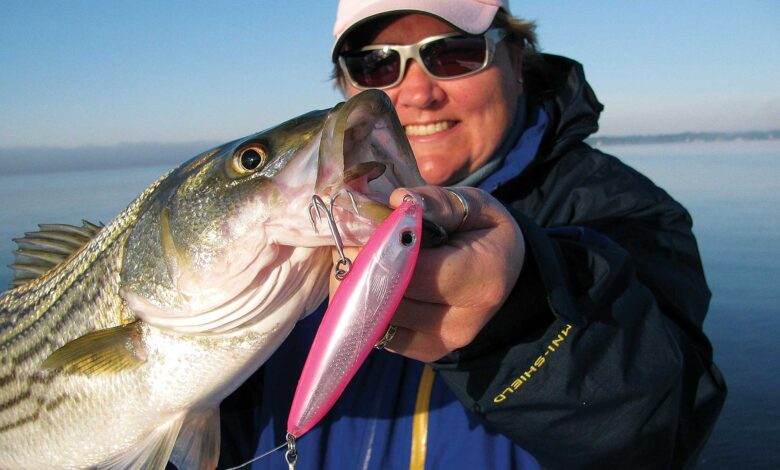
Have you ever stood by the water, rod in hand, and wondered why some anglers are hauling in monster striped bass while others barely get a bite? The answer often lies in the lure. Striped bass, or “stripers” as most anglers call them, are powerful, aggressive fish that demand the right approach. While they will eat a wide range of prey, choosing the right striped bass lure can be the difference between an unforgettable catch and a frustrating day on the water.
In this guide, we will take a friendly deep dive into the world of striped bass lures. From classic plugs to modern soft plastics, you will learn which lures work best in different conditions, how to use them effectively, and the little tricks that experienced anglers rely on. So, if you are ready to step up your striper fishing game, let’s get started.
Why the Right Lure Matters for Striped Bass
Striped bass are opportunistic feeders, but they are not easy to fool. They chase baitfish with incredible speed and power, which means your lure needs to look realistic and move naturally. A poorly chosen lure may go ignored, while the right one can trigger explosive strikes.
Another reason lure choice is so important is that striped bass behavior changes with the season and environment. Stripers may be feeding on herring in one spot and then switch to sand eels in another. By matching your lure to their current diet, you can dramatically improve your odds of success.
The Most Popular Types of Striped Bass Lures
Over the years, anglers have experimented with countless lures. Some styles have stood the test of time and continue to deliver consistent results. Here are the most effective striped bass lures every angler should know about.
1. Topwater Plugs
Nothing beats the thrill of seeing a striped bass explode on a topwater lure. These lures mimic injured baitfish struggling on the surface. Pencil poppers, spooks, and chuggers are classic choices. Work them with a steady retrieve or a “walk the dog” motion, and be ready for heart-pounding strikes.
2. Soft Plastic Baits
Soft plastics are versatile and realistic. Swimbaits, jerk shads, and flukes are especially effective for stripers. They can be rigged on jig heads or weighted hooks to match the depth of feeding fish. Their lifelike swimming action often convinces even the most cautious striper to strike.
3. Bucktail Jigs
This is one of the oldest and most reliable lures for striped bass. Bucktails are simple, durable, and adaptable. You can dress them with pork rinds, soft plastics, or fish strips for extra appeal. They work well in fast-moving currents and can be bounced along the bottom or retrieved steadily.
4. Metal Jigs and Spoons
When stripers are feeding on baitfish like sand eels, metal jigs and spoons shine. Their flash and vibration mimic small, fast prey. They can be cast far and worked at different depths, making them perfect for surf fishing or boat casting.
5. Crankbaits and Swimmers
Hard-bodied crankbaits and swimming plugs imitate larger baitfish. They often have built-in rattles and diving lips that create an irresistible wobbling motion. Use them when stripers are hunting mid-depths or near structures.
6. Live Eel Imitations
Striped bass love eels, which is why soft plastic eel lures or long ribbon-style baits are so effective. These lures are best used at night when big stripers are hunting in shallow waters.
Choosing the Right Lure for Conditions
Not every lure works the same in every situation. To catch more stripers, you need to match your lure to the conditions.
- Clear Water: Use natural-colored lures like silver, white, or olive. Stripers in clear water are more cautious.
- Murky Water: Bright colors such as chartreuse, yellow, or pink stand out better.
- Daytime Fishing: Fast-moving lures like bucktails or metals trigger reaction strikes.
- Nighttime Fishing: Larger, slower-moving lures such as eels or surface plugs perform better.
Matching Lures to Striper Diet
Striped bass often focus on a particular food source. If you match your lure to what they are feeding on, you will catch more fish.
- Sand Eels: Slim metal jigs or slender soft plastics work well.
- Bunker (Menhaden): Larger swimbaits and crankbaits imitate them perfectly.
- Herring: Big plugs and bucktails are great matches.
- Eels: Use long soft plastics or ribbon tails, especially at night.
How to Work Striped Bass Lures Effectively
It is not just about the lure you use, but also how you use it. Striped bass can be aggressive one moment and finicky the next. Adjusting your technique is key.
- Vary Your Retrieve: Sometimes stripers want a fast, erratic retrieve. Other times, a slow and steady motion works best.
- Add Pauses: Pausing your lure can trigger strikes from following fish.
- Use the Current: Let your lure drift naturally with the tide to mimic real prey.
- Stay Alert: Many striper strikes happen close to shore or right at the boat, so never lose focus.
Seasonal Strategies for Striper Lures
Striped bass migrate and change behavior with the seasons. Knowing what lures to use during each season increases your chances of success.
- Spring: Stripers are hungry after migration. Topwater plugs, soft plastics, and bucktails are excellent choices.
- Summer: Fish go deeper to escape the heat. Use metal jigs and swimbaits in deeper waters.
- Fall: Stripers feed aggressively before winter. Larger plugs, spoons, and topwaters are deadly.
- Winter: Striper activity slows down, but jigging soft plastics or slow-trolling lures can still produce.
Mistakes to Avoid With Striper Lures
Even seasoned anglers make mistakes when using striped bass lures. Avoid these common pitfalls:
- Using the Wrong Size: If stripers are chasing small baitfish, oversized lures will not work. Match the hatch.
- Fishing Too Fast: Stripers may ignore lures that move unnaturally fast.
- Ignoring Structure: Stripers love structure like rocks, piers, and drop-offs. Cast near these areas.
- Sticking to One Lure: Be flexible. Switch lures if one is not working.
Stories of Success With Striped Bass Lures
Every angler has a favorite lure story. Some swear by a certain bucktail jig that has landed them countless fish. Others recall the excitement of a 40-pound striper crushing a topwater plug at dawn. These stories highlight one truth: the right lure in the right place creates unforgettable fishing moments.
Building Your Own Striper Lure Collection
A smart angler does not rely on just one lure. Building a versatile lure collection prepares you for any situation. Start with a few essentials: a topwater plug, a soft plastic swimbait, a bucktail jig, a metal jig, and a crankbait. As you gain experience, add more options to match different prey and conditions.
Conclusion: Finding the Best Striped Bass Lure for You
Striped bass fishing is as much about strategy as it is about strength. The lure you tie on your line makes a huge difference. From explosive topwater action to steady jigging in deep water, each lure has its time and place.
The key is to stay flexible, pay attention to what the fish are feeding on, and never stop experimenting. With the right striped bass lures in your tackle box, you will be ready for those thrilling moments when a striper smashes your lure and bends your rod.
So next time you head out, ask yourself—are you carrying the lures that stripers cannot resist? If the answer is yes, then get ready, because your next cast might just bring in the fish of a lifetime.
striped bass lures