Conflict and Wars News: Why the World Still Struggles With Peace
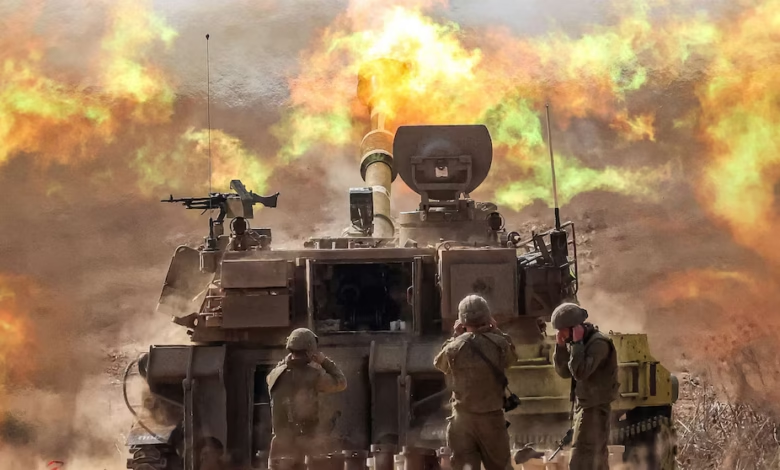
Have you ever wondered why conflicts and wars continue to dominate global headlines even in our modern age? Despite progress in technology, diplomacy, and human rights, the shadow of war still lingers. News outlets around the world cover clashes daily, from regional disputes to global rivalries, shaping how people perceive safety, politics, and the future. Let’s dive into the complex and emotional landscape of conflict and wars news, exploring how it affects nations, communities, and even individuals far from the battlefield.
The Role of News in Shaping Public Opinion
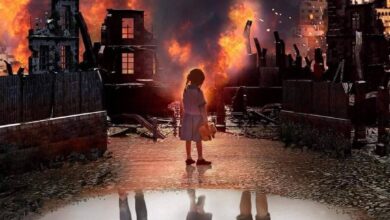
When we think of wars, the first images that come to mind often come from the news. Media outlets play a massive role in shaping public opinion. They frame how we understand who is the aggressor, who is the victim, and what the consequences are. A single photo of a destroyed neighborhood or a child seeking safety can change how millions view a conflict. This is why journalism during wartime is so powerful. News organizations hold the responsibility to deliver accurate stories while being aware of the impact they create.
Why Conflicts Keep Making Headlines
Wars have always fascinated and disturbed people. They represent struggle, power, and survival. News platforms know that stories about battles, peace talks, and rising tensions grab attention. The public wants to know if global safety is at risk. Even distant conflicts can cause economic shocks, migration waves, or diplomatic crises. For example, a war in one part of the world can affect energy prices in another. This interconnectedness keeps wars in the spotlight, making them not just a local tragedy but a global concern.
Regional Conflicts and Global Ramifications
Not all wars are worldwide in scale, but even regional clashes carry heavy consequences. Civil wars in developing countries often spill into neighboring nations, creating refugee crises and humanitarian struggles. Similarly, territorial disputes can escalate into international standoffs. Modern news coverage highlights how quickly a local conflict can become an international issue. For example, one border clash can trigger alliances, sanctions, or even military interventions. By reporting these ripple effects, the media connects local stories to a broader audience.
The Human Cost of War in the News
Numbers can feel cold, but news outlets often put a human face on conflicts. Stories of families torn apart, communities forced to flee, and survivors rebuilding after destruction bring a sense of reality that statistics cannot capture. War news is not just about military strategy or political negotiations. It is about the people whose daily lives are shattered. Highlighting their struggles helps audiences understand the true cost of war beyond battlefields and governments.
The Evolution of War Reporting
If we look back at history, reporting on wars has changed dramatically. During the early 20th century, news came through newspapers and radio broadcasts. Today, coverage is instant, with live footage streaming online. Journalists on the ground send updates in real time, sometimes even through social media. This speed of reporting keeps people connected to events as they unfold. However, it also raises concerns about misinformation and propaganda. Balancing speed with accuracy has become one of the biggest challenges for modern war journalism.
The Rise of Citizen Journalism in War Zones
In recent years, citizens with smartphones have become reporters. Videos, photos, and posts from those living in war zones often reach audiences before traditional media outlets. This type of raw coverage provides unfiltered glimpses of reality. Still, it can also be misleading without proper verification. News agencies now cross-check such content to ensure authenticity. Citizen journalism adds a powerful human dimension to conflict reporting but also demands caution.
The Political Weight of War News
Conflicts are never just about the battlefield. They influence political landscapes. Governments use war narratives to gain support, justify policies, or strengthen alliances. News coverage plays into this, sometimes intentionally, sometimes not. For example, stories emphasizing threats may encourage public support for military action. On the other hand, highlighting peace efforts may push leaders toward negotiations. This political weight makes war news a tool as much as a reflection of reality.
Propaganda and Information Wars
Alongside physical battles, there are wars of information. Propaganda, fake news, and manipulated stories often spread during conflicts. Nations use media to influence both their own citizens and the international community. The struggle over truth becomes as important as the battle for territory. For the average reader, this means staying critical of sources. Journalists must work harder than ever to separate fact from fiction in order to maintain credibility.
How Conflict News Impacts Daily Life
It may seem like wars far away have little to do with our lives, but conflict news often shows the opposite. People feel the impact through rising fuel prices, disrupted supply chains, or shifting diplomatic ties. Families in peaceful countries may worry about relatives abroad. Students may discuss wars in classrooms, while businesses consider risks before investing in conflict-prone regions. War news connects us to global issues in practical ways, reminding us that no nation lives in isolation.
The Emotional Impact of War Coverage
Reading about conflicts day after day can be emotionally draining. Audiences often feel overwhelmed by constant images of destruction and suffering. Some even experience “news fatigue,” choosing to avoid war updates altogether. However, others feel compelled to stay informed and take action, whether by supporting charities, joining protests, or engaging in political discussions. The emotional impact of war news reflects its ability to reach beyond facts and touch the human heart.
Hope Amidst Headlines of War
Despite the grim nature of conflict reporting, stories of hope often emerge. Peace talks, humanitarian efforts, and reconciliation attempts find their place in the news cycle. Reports of communities rebuilding or individuals showing resilience remind audiences that war is not the full story. These positive angles balance the narrative and inspire faith in humanity’s ability to overcome even the darkest times.
The Future of Conflict and Wars News
Looking ahead, war reporting will likely evolve with technology. Artificial intelligence, drones, and satellite imagery may become common tools for journalists. Virtual reality could allow people to experience stories in immersive ways. However, the essence will remain the same: to inform, to uncover truth, and to give voice to those affected. With conflicts unlikely to vanish anytime soon, news about wars will continue to shape how societies understand their world.
Why Staying Informed Matters
Even if conflicts feel distant, staying informed is important. Understanding war news allows people to grasp global dynamics, make thoughtful decisions, and support humanitarian causes. It also helps counter misinformation. By engaging with conflict stories responsibly, readers contribute to a more aware and compassionate world.
Final Thoughts
Conflict and wars news remains one of the most powerful forms of storytelling in journalism. It carries a mix of tragedy, resilience, politics, and human connection. While wars themselves bring suffering, the way we understand them through news can encourage awareness, empathy, and even peace-building. Every headline, photo, or report reminds us that beyond the battlefield are lives waiting to be acknowledged, supported, and remembered. conflict and wars news