Healthy Eating for Fertility: Can Your Diet Boost Your Chances?
Have you ever wondered if the food on your plate could play a bigger role in starting a family than you realize? While fertility depends on many factors, what you eat can influence hormones, egg quality, and overall reproductive health. The good news is that small, thoughtful changes in your meals can support your body and increase the likelihood of conception. Let’s explore how healthy eating for fertility can work for you.
Why Nutrition Matters for Fertility
Fertility is a delicate balance of hormones, regular ovulation, and optimal sperm health. Nutrients like vitamins, minerals, and antioxidants act as building blocks for these processes. A diet rich in whole foods helps regulate blood sugar and supports a healthy weight, both of which play a key role in reproductive health for women and men.
Focus on Whole, Unprocessed Foods
Whole foods provide essential nutrients without excess sugar or harmful additives. Fresh fruits, vegetables, lean proteins, and whole grains supply fiber and antioxidants that reduce inflammation. In contrast, processed foods high in refined sugar or trans fats can disrupt hormone balance and increase the risk of fertility challenges.
Load Up on Leafy Greens
Spinach, kale, and arugula are packed with folate, a B vitamin critical for cell division and healthy ovulation. Folate also lowers the risk of neural tube defects in early pregnancy. Add a handful of greens to salads, smoothies, or stir-fries to boost your daily intake.
Include Healthy Fats
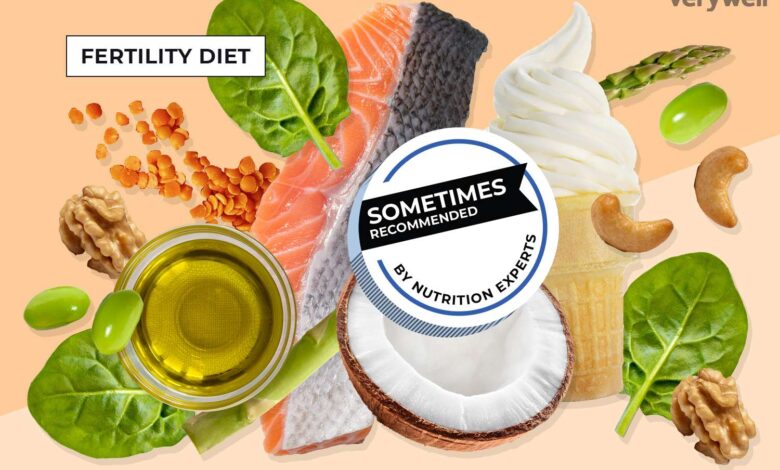
Healthy fats are vital for hormone production. Avocados, olive oil, nuts, and seeds provide monounsaturated fats that support ovulation and reduce inflammation. Omega-3 fatty acids from salmon, sardines, and chia seeds also improve blood flow to reproductive organs and may enhance egg quality.
Choose Quality Protein Sources
Protein supports hormone production and tissue repair. Opt for lean meats, poultry, fish, and plant-based options like lentils and beans. Balance is key—too much red meat or processed meat can increase inflammation, while plant proteins can offer fiber and essential nutrients with fewer saturated fats.
Colorful Fruits for Antioxidant Power
Brightly colored fruits such as berries, oranges, and pomegranates provide antioxidants like vitamin C and polyphenols. These nutrients help protect eggs and sperm from oxidative stress, which can damage DNA and reduce fertility potential.
Whole Grains for Steady Energy
Whole grains like quinoa, brown rice, and oats supply complex carbohydrates and B vitamins. These support stable blood sugar levels and prevent insulin spikes that may disrupt ovulation. Pair whole grains with lean protein for a balanced, fertility-friendly meal.
The Role of Dairy
Full-fat dairy products can help maintain hormone balance. Studies suggest that women who consume whole milk or full-fat yogurt may have a lower risk of ovulatory infertility compared to those who choose only low-fat versions. If you are lactose intolerant, fortified plant-based milks with calcium and vitamin D are good alternatives.
Don’t Forget About Iron
Iron supports oxygen transport and reduces the risk of anemia, which can interfere with ovulation. Include lean red meat, chicken, and plant-based sources like lentils, tofu, and spinach. Pair plant-based iron with vitamin C-rich foods to enhance absorption.
Hydration Supports Every System
Staying hydrated keeps cervical mucus healthy, which helps sperm travel to the egg. Aim for plenty of water throughout the day. Herbal teas like raspberry leaf or ginger can add variety and extra antioxidants without caffeine.
Smart Snacking Habits
Skipping meals or relying on sugary snacks can disrupt blood sugar and hormone balance. Choose nutrient-dense snacks like nuts with fruit, Greek yogurt with berries, or vegetable sticks with hummus to maintain steady energy and mood.
Vitamins and Minerals That Matter
Certain nutrients deserve special attention when trying to conceive. Zinc supports sperm health, selenium protects eggs from oxidative damage, and vitamin D improves hormone regulation. While a prenatal vitamin can help fill gaps, aim to get most nutrients from whole foods first.
Limit Caffeine and Alcohol
Too much caffeine may interfere with ovulation, while excess alcohol can affect hormone balance and sperm quality. One small cup of coffee per day is generally fine, but consider herbal teas or water for the rest of your hydration needs. If you drink alcohol, do so in moderation or avoid it while trying to conceive.
Support a Healthy Weight
Being significantly underweight or overweight can disrupt ovulation and hormone production. A balanced diet combined with regular physical activity helps maintain a healthy body mass index, supporting fertility for both men and women.
Fertility-Friendly Meal Ideas
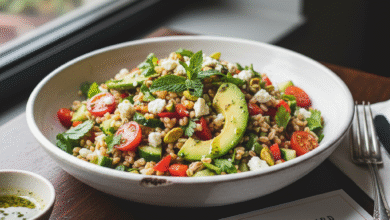
A day of fertility-focused eating might include a spinach and avocado omelet for breakfast, a quinoa salad with mixed vegetables and chickpeas for lunch, and grilled salmon with roasted sweet potatoes and steamed broccoli for dinner. Snacks like mixed berries or almonds keep your energy steady between meals.
The Importance of Men’s Nutrition
Fertility is a team effort. Men benefit from the same nutrient-rich foods, especially zinc, selenium, and antioxidants that protect sperm from damage. Encourage a shared commitment to healthy eating to boost chances for both partners.
Combining Nutrition With Lifestyle
Healthy eating is only part of the picture. Regular exercise, quality sleep, and stress management techniques such as yoga or meditation complement a fertility-friendly diet. Together, these habits create a foundation for reproductive health.
When to Seek Professional Support
If conception is taking longer than expected, a registered dietitian or fertility specialist can provide personalized guidance. They can identify nutrient deficiencies and suggest tailored adjustments to support your unique needs.
Building Long-Term Habits
The journey to conception is rarely instant, so think of these dietary changes as lifelong habits rather than quick fixes. Focusing on whole foods, balanced meals, and mindful eating supports not only fertility but also a healthy pregnancy and family life.
A Positive Plate for a Positive Future
Healthy eating for fertility is about nourishing your body and preparing it for the exciting chapter of parenthood. By choosing foods rich in vitamins, minerals, and healthy fats, you create the best possible environment for conception. Start with small, consistent changes today, and give yourself the gift of a diet that supports both fertility and overall well-being. Healthy eating for fertility