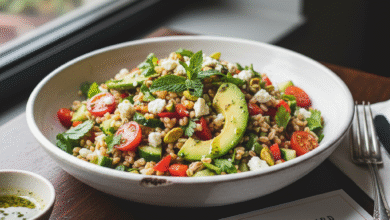
Foods to Improve Mood: What Should You Add to Your Plate Today?
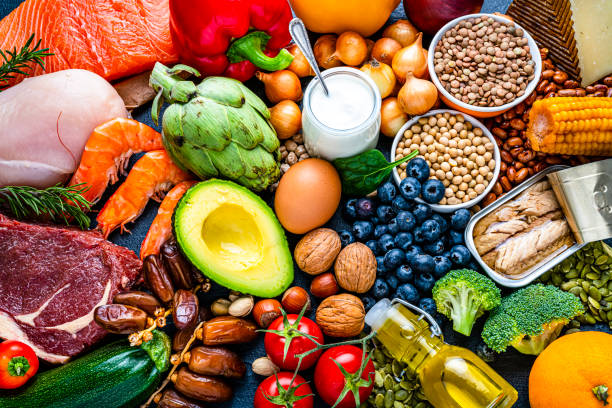
Have you ever noticed how a warm bowl of soup or a crisp apple can instantly lift your spirits? Food is more than just fuel. It plays a direct role in how we feel every day. From calming anxious thoughts to boosting energy and focus, certain foods can actually help you feel happier. Let’s explore how your next grocery list can double as a mood-boosting toolkit.
Why Food Affects Your Mood
Our brains depend on nutrients to create neurotransmitters like serotonin and dopamine—chemicals that regulate emotions and energy. When we eat balanced meals with vitamins, minerals, and healthy fats, these mood messengers work smoothly. On the other hand, processed snacks high in sugar or refined carbs can trigger quick spikes and crashes, leaving you tired or irritable.
Start With Omega-3 Rich Fish
Fatty fish such as salmon, sardines, trout, and mackerel are packed with omega-3 fatty acids. These healthy fats support brain cell function and may reduce symptoms of depression. Aim for two servings each week. If seafood isn’t your favorite, walnuts, chia seeds, and flaxseeds are excellent plant-based alternatives.
Brighten Your Day With Leafy Greens
Spinach, kale, and Swiss chard contain folate, a B-vitamin that plays a key role in serotonin production. Low folate levels are linked to mood disorders and fatigue. Add a handful of greens to your morning smoothie, stir them into soups, or toss them with olive oil and lemon for a quick salad.
Berries for Natural Sweetness
Blueberries, strawberries, and raspberries deliver a powerful mix of antioxidants and vitamin C. These nutrients help combat oxidative stress, which can impact mood and memory. Enjoy them fresh, frozen, or blended into yogurt. Their natural sweetness makes them a smart alternative to processed desserts.
Whole Grains for Steady Energy
Complex carbohydrates in brown rice, oats, and quinoa help maintain stable blood sugar. This stability prevents the energy crashes that often lead to irritability. Whole grains also encourage the body to produce serotonin, the feel-good neurotransmitter. For a balanced meal, pair whole grains with lean proteins and plenty of vegetables.
The Magic of Fermented Foods
Gut health and mental health are closely connected. Foods like yogurt, kefir, kimchi, and sauerkraut supply probiotics that keep the gut microbiome healthy. A balanced gut environment supports better nutrient absorption and may reduce anxiety. Add a small serving of fermented food to your daily routine to keep your digestion—and mood—on track.
Dark Chocolate as a Delight
A square of dark chocolate with at least 70% cocoa can improve blood flow to the brain and release endorphins. Its natural compounds, such as flavonoids, also lower stress hormones. Keep your portion small to avoid excess sugar, and savor it slowly for maximum pleasure.
Nuts and Seeds for All-Day Balance
Almonds, cashews, sunflower seeds, and pumpkin seeds provide magnesium, zinc, and healthy fats. Magnesium plays a key role in calming the nervous system. A handful of mixed nuts or a spoonful of seed butter makes a satisfying snack that nourishes both body and mind.
Colorful Vegetables for Brain Health
Bell peppers, carrots, and tomatoes are loaded with antioxidants and phytonutrients. These compounds fight inflammation, which is increasingly linked to mood disorders. Roast a rainbow of vegetables with olive oil for a side dish that supports mental clarity and emotional stability.
Eggs for Morning Motivation
Eggs are rich in protein and contain vitamin D and choline. Vitamin D supports serotonin production, while choline aids in brain development and memory. Enjoy them scrambled, boiled, or as a veggie-packed omelet to start the day with a calm, focused mindset.
Green Tea for Gentle Focus
Green tea offers a smooth energy lift without the jitters of coffee. It contains L-theanine, an amino acid that promotes relaxation and alertness at the same time. Sip a cup in the afternoon when you need a gentle boost.
Bananas for Natural Sweetness and Potassium
Bananas provide vitamin B6, which helps synthesize dopamine and serotonin. Their natural sugars and fiber deliver steady energy. Pair a banana with nut butter for a quick snack that keeps both your stomach and your mood satisfied.
Avocado for Healthy Fats
This creamy fruit offers monounsaturated fats and B vitamins that feed the brain and support nerve function. Spread avocado on whole-grain toast or blend it into a smoothie for a rich, mood-friendly treat.
Beans and Lentils for Plant Power
Packed with fiber, iron, and slow-digesting carbs, beans and lentils help keep your blood sugar stable. They also contain folate and magnesium, nutrients that support a calm, steady mood. Try a lentil soup or a chickpea salad for a comforting meal.
Spices That Lift Your Spirits
Turmeric’s active compound, curcumin, may increase serotonin and dopamine levels. Sprinkle turmeric into soups, teas, or roasted vegetables. Cinnamon and ginger can also reduce inflammation and add natural warmth to dishes.
Citrus Fruits for a Fresh Start
Oranges, grapefruits, and lemons are bursting with vitamin C, which helps lower cortisol—the stress hormone. A glass of fresh orange juice or a simple slice of lemon in water can brighten your morning and your mood.
Hydration Matters
Even mild dehydration can cause fatigue and irritability. Drinking enough water, herbal tea, or infused water with cucumber or berries helps maintain energy and mental clarity. Make hydration a habit, not an afterthought.
Smart Snacking Strategies
Balanced snacks prevent the dips that come with skipping meals. Combine protein and complex carbs for staying power: apple slices with almond butter, whole-grain crackers with cheese, or a small smoothie with Greek yogurt and berries.
Planning Your Mood-Boosting Meals
Building a weekly meal plan around these foods ensures consistency. Start with a colorful breakfast, pack a leafy green salad for lunch, and choose salmon or a bean stew for dinner. Preparing ahead makes it easier to avoid processed options when life gets busy.
Lifestyle Habits to Pair With Food
Food works best alongside healthy habits. Regular exercise, enough sleep, and mindful stress management amplify the mood-boosting effects of a nutrient-rich diet. A short walk after meals or a few minutes of deep breathing can complement your food choices.
Putting It All Together
Your mood is not only shaped by your thoughts and experiences but also by what you eat. Filling your plate with leafy greens, fatty fish, whole grains, and colorful produce provides the nutrients your brain needs to thrive. Small daily choices, like adding berries to breakfast or sipping green tea in the afternoon, can make a big difference over time. Foods to improve mood