Diplomatic Relations News: Understanding Today’s Global Conversations
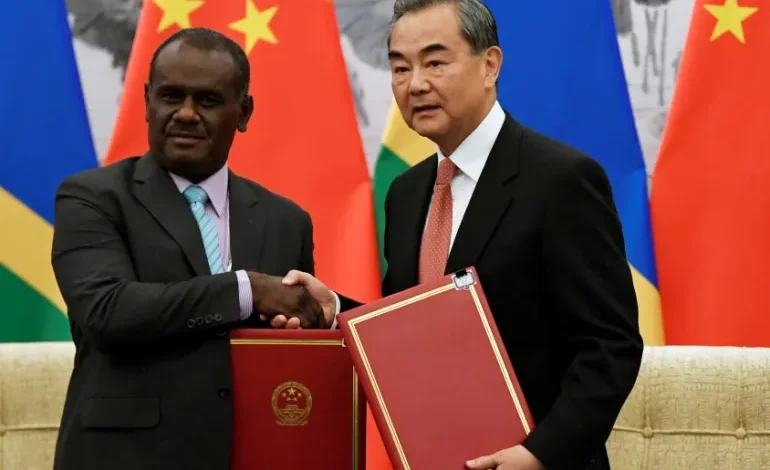
What’s Really Happening in Diplomatic Relations News Today?
Have you noticed how often world leaders are making headlines lately? From unexpected peace talks to sudden trade disputes, diplomatic relations are shaping the way we live, trade, and even travel. But what exactly drives these shifts, and why should we care? Let’s take a closer look at the fast-moving world of diplomacy, where each handshake or press conference can rewrite history.
Diplomacy at the Heart of Global Stability
Diplomacy is more than formal meetings and press releases. It is the lifeline that keeps countries talking instead of fighting. When ambassadors meet behind closed doors, they negotiate deals that influence everything from food imports to internet regulations. Without those conversations, small misunderstandings could grow into global conflicts.
Moreover, diplomacy builds trust. When nations communicate regularly, they reduce the risk of sudden surprises. Think of it as an ongoing friendship between countries. Even when disagreements arise, that foundation of trust often prevents escalation.
Why Today’s Diplomatic Climate Feels Different
Lately, international relations have felt more intense. Rapid technological change, global health concerns, and shifting economic power all play a part. Countries no longer deal only with traditional allies or rivals. Instead, new partnerships appear almost overnight.
For example, technology agreements now carry as much weight as old-style defense pacts. Nations that once competed fiercely are sharing data on cybersecurity or clean energy. These partnerships are practical, but they also reflect a new reality: global problems need cooperative solutions.
Major Headlines Shaping Diplomatic Relations
Every week brings new stories of breakthrough meetings and sudden disagreements. Trade negotiations, climate conferences, and multilateral summits keep diplomats busy. Key themes include:
- Climate Action Talks where countries debate how to cut emissions while protecting their economies.
- Economic Alliances as trade routes and supply chains create new friendships and rivalries.
- Peace Dialogues where ceasefire negotiations in conflict zones continue to influence global security.
These issues often overlap. A climate agreement might also include trade incentives, while a peace deal could unlock economic aid.
The Role of Technology in Modern Diplomacy
It is impossible to ignore the digital transformation of diplomacy. Video conferences allow leaders to talk without boarding a plane. Social media posts can signal a country’s intentions faster than any official statement. While this speed creates transparency, it also brings risks. A single tweet can trigger market swings or diplomatic tensions.
Digital tools also help diplomats track global crises in real time. Whether it is an unexpected natural disaster or a sudden economic shock, quick communication can save lives and stabilize markets.
Trade and Economy: The Core of Many Deals
Trade remains a central pillar of diplomatic relations. Nations depend on one another for raw materials, energy, and markets. When supply chains face disruption, diplomats step in to smooth tensions.
Recent trade agreements often focus on technology, rare minerals, and sustainable energy. These talks highlight a shift from traditional goods toward high-tech cooperation. Economics also drives unexpected alliances. Countries that once shared little in common may partner when their industries align. These relationships can outlast short-term political disagreements.
Cultural Exchanges Build Bridges
While headlines often focus on leaders and policies, cultural diplomacy quietly strengthens ties. Student exchange programs, art exhibits, and sports tournaments allow people to connect across borders.
These experiences create lasting friendships and mutual respect, making future negotiations easier. Consider how music festivals or film collaborations open doors between nations. Such events show that diplomacy is not limited to official embassies—it also thrives in concert halls and classrooms.
Conflict Resolution and Peacekeeping Efforts
One of diplomacy’s most critical roles is preventing war. Peace negotiations are delicate and time-consuming. They require patience, empathy, and compromise. Even when talks stall, the effort itself sends a message: dialogue remains possible.
International organizations often facilitate these discussions. Their neutral stance encourages trust between opposing sides. Successful agreements can transform entire regions, improving security and economic prospects for millions.
The Human Element in Every Decision
Behind every treaty or agreement are individuals—diplomats who dedicate their careers to building understanding. They spend years mastering languages, studying cultures, and learning to negotiate under pressure.
Their work may seem quiet compared to political rallies, but it is essential. Diplomats also adapt quickly. In today’s fast-paced world, they must respond to unexpected crises, from sudden sanctions to humanitarian emergencies. Their flexibility keeps communication channels open when tensions rise.
How Citizens Influence Diplomatic Outcomes
Public opinion increasingly shapes international relations. Social movements, advocacy campaigns, and even trending hashtags can push governments to act. When citizens demand climate action or humanitarian aid, leaders take notice.
Furthermore, travelers and global businesses act as informal ambassadors. Every international student, entrepreneur, or volunteer helps strengthen cross-border ties, proving that diplomacy is not limited to professionals alone. diplomatic relations news