Greek Style Homes: Timeless Elegance With a Modern Twist
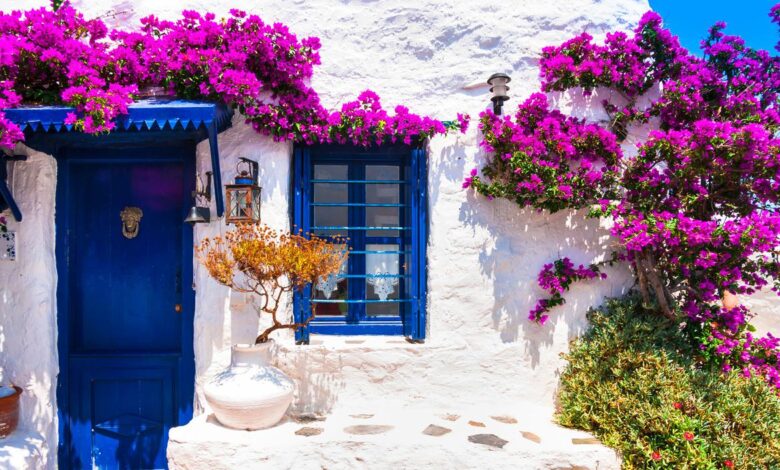
Have you ever passed a house with tall white columns and a graceful porch and wondered why it feels so classic? Greek style homes carry a charm that never fades. They combine history, symmetry, and understated beauty in a way that still captivates homeowners today. Whether you dream of a grand Greek Revival style home or want to add a touch of Greek style home décor, the story of this architectural tradition offers endless inspiration.
A Brief Journey Back in Time
Greek style homes trace their roots to ancient Greece, where architecture celebrated proportion, balance, and harmony. Temples like the Parthenon became icons of beauty and strength. Centuries later, in the early 19th century, Americans and Europeans looked to Greece for inspiration during the Greek Revival movement. This style quickly became a symbol of democracy and culture, making Greek revival style homes popular across cities and countrysides alike.
Key Features of Greek Revival Style Homes
When you spot a Greek Revival style home, the first thing you notice is its commanding presence. Tall, fluted columns often support a front porch or portico, echoing ancient temples. Symmetrical windows, gabled roofs, and pediments add to the balanced look. Builders used painted wood to mimic marble, creating a clean white finish that glows in the sunlight. These features bring a sense of grandeur while staying inviting.
Columns That Define the Look
Columns are the heart of Greek architecture. Doric, Ionic, or Corinthian designs each tell a story. Doric columns are simple and strong, Ionic columns have elegant scrolls, and Corinthian columns boast intricate carvings. Many Greek style homes use Doric or Ionic designs for their balanced beauty. These columns are not just decorative—they provide structure and a dramatic entrance that sets the tone for the entire home.
The Allure of Symmetry
Greek home style thrives on symmetry. From evenly spaced windows to centered doors, every detail follows a harmonious plan. This balance creates a calm, welcoming atmosphere. Whether you live in a large estate or a cozy neighborhood, the symmetry of a Greek Revival style home can make your space feel both elegant and grounded.
Materials and Finishes
Traditional Greek Revival homes often use wood painted white to resemble stone, but modern builders experiment with brick, stucco, or stone for a fresh take. Inside, hardwood floors and classic moldings create warmth. High ceilings and wide hallways enhance the sense of space. Even with contemporary updates, the core elements—clean lines and sturdy materials—remain central to the design.
Interior Layout and Flow
Step inside a Greek style home and you will notice an open, airy layout. Large windows let in natural light, while tall ceilings give every room a sense of grandeur. Central hallways often divide living areas, maintaining the symmetrical theme. The flow from room to room feels natural and comfortable, making these homes perfect for both quiet evenings and lively gatherings.
Greek Style Home Décor
Decorating a Greek style home is a chance to play with elegance and simplicity. Think white or cream walls paired with touches of blue inspired by the Mediterranean Sea. Marble accents, sculptural details, and classical artwork fit beautifully. Add a few antique-inspired pieces, like a Greek urn or a carved wood table, to capture the spirit without overwhelming the space. Plants such as olive trees or tall palms bring life and a nod to nature.
Outdoor Spaces That Shine
Greek style homes often feature welcoming porches and spacious gardens. Wide steps leading to the entrance create a grand approach. Outdoor columns frame views and provide shade, making these homes ideal for warm-weather living. A garden with stone pathways, fountains, and benches completes the classical look and offers a peaceful retreat.
Why Greek Revival Became an American Favorite
In the early 1800s, Americans admired Greece as the birthplace of democracy. Builders embraced Greek Revival style homes to reflect ideals of freedom and civic pride. From southern plantations to northern townhouses, the style became a national trend. Today, these homes still stand as a tribute to timeless design and enduring values.
Modern Takes on Greek Style Homes
While traditional Greek Revival homes remain beloved, modern architects find creative ways to adapt the style. Some use sleek materials like steel and glass while keeping the iconic columns and symmetry. Others add open floor plans and energy-efficient features to suit contemporary lifestyles. The result is a blend of old and new that feels both classic and current.
Color Palettes That Reflect the Mediterranean
A Greek-inspired color scheme brings the outdoors inside. Crisp white remains the foundation, reflecting light and creating a fresh backdrop. Accents of soft blue, sandy beige, and earthy terracotta add warmth. Gold or bronze fixtures can provide a subtle touch of luxury without overpowering the calm atmosphere.
Furniture and Textiles
In a Greek style home, furniture tends to be elegant but comfortable. Choose pieces with clean lines and natural materials. Linen, cotton, and wool in neutral tones create a cozy feel. For a decorative touch, add patterned cushions or throws inspired by ancient motifs. A few well-placed sculptures or vases complete the look.
Lighting That Complements the Design
Light plays a key role in highlighting the beauty of Greek style interiors. Large windows allow sunlight to flood the space during the day. At night, chandeliers and wall sconces with classic designs add a soft glow. Candles in simple holders can bring a romantic touch reminiscent of ancient evenings.
Creating a Greek Style Home on a Budget
You don’t need to build a grand mansion to embrace Greek style. Small updates like adding column-inspired porch posts, painting walls crisp white, or using Greek key patterns in décor can bring the look to any space. Even a modest home can feel timeless with the right details and thoughtful design choices.
Sustainability and Greek Design
Many Greek Revival elements align with modern sustainability goals. High ceilings and large windows improve natural ventilation and light, reducing the need for artificial cooling or lighting. Using durable materials and focusing on timeless design also means fewer renovations over time, which is better for the planet.
Famous Examples to Inspire You
Across the United States, you can find stunning Greek Revival homes in cities like Charleston, Savannah, and New Orleans. Historic buildings such as the White House and countless courthouses also showcase this style. Visiting these landmarks can spark ideas for your own Greek-inspired project.
Blending Greek Style With Other Influences
Today’s homeowners often mix Greek elements with other styles. A modern kitchen can sit comfortably behind a classical façade. Rustic wood beams or industrial fixtures can add contrast without clashing. The key is balance—honoring tradition while embracing personal taste.
Why Greek Style Endures
Greek style homes have lasted through centuries because they embody balance, beauty, and simplicity. Their clean lines and classic features feel as fresh today as they did in the 1800s. Whether you admire a grand portico or a subtle Greek key border, the appeal lies in a design that transcends time.
Final Thoughts
Greek style homes and Greek Revival style homes continue to inspire builders, decorators, and homeowners around the world. From majestic columns to calming interiors, they offer elegance and comfort in equal measure. Whether you plan to build your dream house, refresh your décor, or simply admire their graceful presence, Greek architecture proves that true style never goes out of fashion.
greek style homes