Chinese vs Japanese Architecture: What Makes Them So Different Yet So Beautiful?
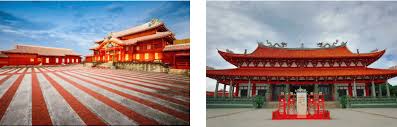
Have you ever wondered why a Chinese temple and a Japanese shrine feel unique even if they share some similar shapes and roofs? Both cultures have thousands of years of architectural history. Their styles grew side by side across East Asia, yet each developed its own character. Exploring Chinese vs Japanese architecture is like taking a journey through time and across mountains, where art, belief, and lifestyle shape every beam and tile.
A Shared Heritage With Distinct Paths
China and Japan have influenced each other for centuries. Ideas traveled across the seas, bringing new techniques and designs. But while there are shared roots, each country transformed those influences to fit its own culture and environment. This mix of exchange and independence sets the stage for the fascinating differences we see today.
Historical Foundations of Chinese Architecture
Chinese architecture began thousands of years ago, shaped by dynasties and philosophies like Confucianism and Daoism. Grand imperial palaces, such as the Forbidden City in Beijing, reflect a love for symmetry and order. Builders emphasized balance to express harmony between heaven and earth. Wood was the main material, but structures often stood on stone platforms for strength. Bright colors, intricate carvings, and curved roofs became hallmarks of this tradition.
Historical Roots of Japanese Architecture
Japanese architecture developed on a string of islands, influenced by Shinto beliefs and later Buddhism. Early structures favored simplicity and natural materials. Instead of massive palaces, Japan focused on modest shrines and wooden homes that blended with their surroundings. Earthquakes and a humid climate encouraged flexible wooden designs and lightweight materials. Over time, Japan borrowed ideas from China and Korea but kept a quieter, more minimalist spirit.
Roof Design: The First Striking Difference
Look up at a Chinese building and you often see sweeping roofs with dramatic curves, decorated with bright tiles and detailed ridge ornaments. These curves are not just pretty; they help drain rainwater and are believed to ward off evil spirits. Japanese roofs, on the other hand, are simpler and often straighter, though Buddhist temples may feature gentle curves. The restrained style matches Japan’s love for understated elegance.
Materials and Craftsmanship
Both traditions use wood as a primary material, yet their approaches differ. Chinese builders often painted and carved their wooden structures, creating vivid reds, blues, and golds. Japanese builders prefer natural finishes, letting the grain of cedar or cypress shine. Tatami mats, shoji screens, and unpainted beams bring warmth and calm to Japanese interiors, while Chinese interiors dazzle with lacquered columns and carved screens.
Layout and Space Planning
Chinese architecture favors grand layouts with symmetrical courtyards and clearly defined axes. Important buildings sit along a central line, symbolizing order and hierarchy. Japanese design values flexibility and flow. Rooms can transform thanks to sliding doors, creating spaces that change with daily life. Gardens are integrated into the plan, blurring the line between inside and outside.
Color and Decoration
Vibrant color is a signature of Chinese style. Red symbolizes luck and happiness, while gold stands for power and wealth. Decorative dragons, phoenixes, and floral motifs bring walls and beams to life. In contrast, Japanese architecture leans toward earthy tones and subtle textures. You might find a single calligraphy scroll or a simple flower arrangement as the main decoration, reflecting Zen ideals of beauty in simplicity.
Influence of Religion and Philosophy
Religion deeply shaped both traditions. Chinese builders drew from Confucian principles, emphasizing order, and Daoist ideas of balance. Temples and palaces were designed to align with feng shui, ensuring harmony with the environment. Japanese architecture reflects Shinto reverence for nature and Buddhist meditation practices. This explains the airy spaces and the careful framing of natural views in Japanese temples and tea houses.
Gardens as an Extension of Architecture
Chinese gardens resemble miniature landscapes with ponds, rocks, and pavilions arranged for poetic views. They often feel dramatic and full of movement. Japanese gardens are more restrained. They might feature raked gravel, mossy stones, and carefully pruned trees to inspire calm reflection. In both cultures, the garden is not just decoration but a living part of the home or temple.
Urban vs Rural Influences
In ancient China, bustling cities demanded large public buildings and walled compounds. The need for authority and protection influenced the bold scale of Chinese architecture. Japan, with its smaller islands and frequent natural disasters, developed more intimate spaces. Even castles were designed with a balance of defense and aesthetic simplicity.
Evolution Through the Ages
Chinese architecture evolved through dynasties like the Tang and Qing, each leaving a mark with new techniques and styles. Pagodas, palaces, and elaborate temples tell the story of a powerful empire. Japan saw shifts from the Heian period’s aristocratic homes to the wooden castles of the Edo era, always maintaining a close relationship with nature.
Modern Adaptations
Today, both countries blend tradition with modern needs. In China, you see skyscrapers alongside restored ancient streets. Architects incorporate curved roofs and courtyards into contemporary designs. In Japan, modern homes still echo the clean lines and natural materials of the past, even as technology transforms urban skylines.
Furniture and Interior Spaces
Inside a traditional Chinese home, you might find heavy wooden furniture with rich carvings and lacquer finishes. Interiors reflect formality and a sense of grandeur. Japanese interiors remain minimalistic with low tables, floor cushions, and open space. Light filters through paper screens, creating a peaceful atmosphere that feels timeless.
Cultural Symbolism
Every detail carries meaning. In China, dragons represent imperial power, and specific roof animals symbolize protection. In Japan, empty space—known as “ma”—is as important as the objects within it. These symbolic touches reveal how each culture views life and the universe.
Regional Variations
China’s vast size creates regional differences. Northern palaces differ from southern water towns, yet symmetry and color remain common. Japan also shows variety, from the snow-resistant homes of Hokkaido to the tropical influences of Okinawa. Despite regional flavors, the core philosophies of each country remain visible.
Architecture in Festivals and Ceremonies
Festivals bring these buildings to life. Chinese New Year lights up temples and courtyards with lanterns and color. Japanese festivals highlight shrines with simple yet striking decorations, allowing the natural beauty of the structures to shine. Architecture serves as the backdrop for cultural celebrations that continue centuries-old traditions.
Comparing Ancient Chinese vs Japanese Architecture Directly
When you place ancient Chinese and Japanese architecture side by side, the contrast is clear. Chinese structures emphasize grandeur, symmetry, and bright decoration. Japanese structures highlight simplicity, adaptability, and harmony with nature. Both reflect their people’s values: China’s focus on imperial power and cosmic order, Japan’s respect for impermanence and subtle beauty.
Lessons for Modern Designers
Architects around the world study these traditions for inspiration. Chinese techniques teach the power of symbolism and balanced layouts. Japanese design shows how minimalism and natural light can create calm, functional spaces. Together, they offer lessons in combining art and practicality.
Why These Differences Matter
Understanding the distinctions between Chinese and Japanese architecture is more than an academic exercise. It deepens our appreciation for how culture and environment shape the spaces where people live and worship. Whether you are an architect, traveler, or simply curious, noticing these details enriches every visit to a temple, garden, or modern home.
Final Thoughts
Chinese vs Japanese architecture reveals two remarkable approaches to beauty and function. One celebrates bold color and perfect symmetry. The other honors quiet simplicity and the changing seasons. Both invite us to slow down and observe the world with care. Next time you stand before a pagoda or step into a serene tea house, you will see not just a building but a story of history, philosophy, and artistry that continues to inspire across generations. chinese vs japanese architecture