Amberjack Fish: The Powerful Predator of the Deep
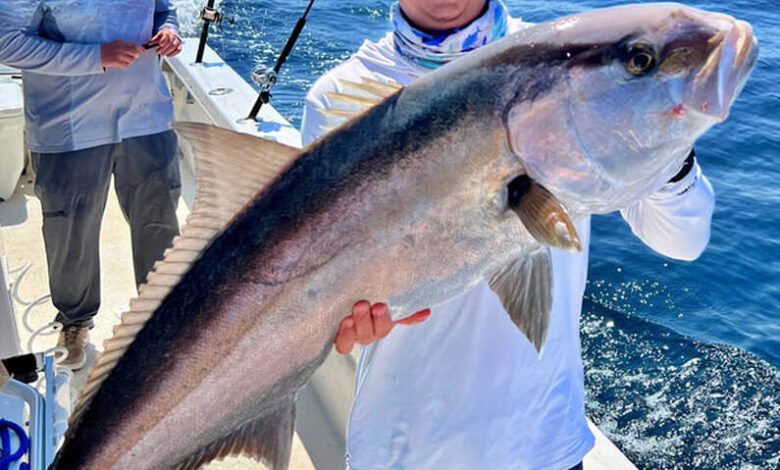
Have you ever hooked a fish so strong it felt like you were reeling in a freight train? If you have, there is a good chance you met the mighty amberjack. This saltwater powerhouse is famous among anglers for its strength, speed, and sheer determination to break free. Whether you are a seasoned sport fisher or just curious about ocean life, the amberjack fish has a story that captures both thrill and intrigue. Let’s dive into its world and discover what makes this species so remarkable.
What Is an Amberjack Fish?
Amberjack is the common name for several species of large game fish in the genus Seriola. The most recognized is the greater amberjack, often simply called AJ. These fish thrive in the warm waters of the Atlantic Ocean, Gulf of Mexico, Caribbean Sea, and Mediterranean. With their streamlined bodies and impressive size, amberjacks are built for speed and endurance, making them one of the ocean’s most formidable hunters.
Physical Features That Stand Out
Amberjacks can grow incredibly large. An adult greater amberjack often reaches 40 to 60 pounds, and some giants tip the scales at more than 100 pounds. They have a distinctive elongated body with a dark stripe running from their nose to the front of the dorsal fin. Their back shines in shades of blue or green, while the belly gleams silver, a perfect camouflage against predators and prey. Sharp teeth and strong jaws allow them to tackle tough meals like squid and crustaceans.
Natural Habitat and Range
You will find amberjacks in subtropical and tropical waters around the world. They favor offshore reefs, rocky ledges, wrecks, and oil rigs—places teeming with baitfish. These structures give them both hunting grounds and protection. Juveniles often stay closer to the surface or near floating debris, while adults prefer deeper waters, sometimes as deep as 300 feet. This varied habitat explains why anglers encounter them in many different fishing spots.
Feeding Habits and Diet
Amberjacks are aggressive predators. Their diet includes small fish such as sardines, herring, and mackerel, along with squid and crustaceans. They often hunt in schools, striking fast and hard. This feeding behavior not only helps them grow rapidly but also makes them an essential link in the marine food chain. Their predatory habits keep populations of smaller fish balanced, supporting overall ocean health.
Life Cycle and Growth
These fish grow quickly and can live up to 15 years. Spawning typically occurs in late spring and early summer in warm offshore waters. Females release millions of eggs, ensuring survival even though many larvae become food for other marine life. Young amberjacks start small but gain size rapidly, reaching sexual maturity around four years of age.
Why Anglers Love the Challenge
Ask any sport fisher and they will tell you: amberjack fights are unforgettable. When hooked, they dive hard and fast toward reefs or wrecks, testing both skill and gear. Their stamina means long battles that can exhaust even experienced anglers. Many call them “reef donkeys” because of their stubbornness. Landing one requires strong tackle, patience, and plenty of arm strength.
Best Fishing Techniques
Successful amberjack fishing starts with the right approach. Heavy-duty rods and reels are a must, along with strong braided line to withstand their powerful runs. Live bait such as blue runners or pinfish works well, as do large jigs and vertical lures. Anglers often target them near underwater structures, dropping bait deep and preparing for an immediate, explosive strike. Because amberjack are often found around reefs, careful handling and responsible practices help preserve these ecosystems.
Seasonal Patterns
While amberjack can be caught year-round in many regions, spring and early summer are often peak times. Warmer water temperatures trigger feeding frenzies, making them more active and easier to locate. Weather and local regulations also influence the best times to fish, so checking regional guidelines is always important before planning a trip.
Taste and Culinary Appeal
Amberjack offers firm, white flesh with a mild, slightly sweet flavor. Many seafood lovers compare it to swordfish or mahi-mahi. It is versatile in the kitchen—perfect for grilling, baking, or pan-searing. Smoking brings out a rich depth of flavor, while marinating enhances its natural sweetness. Because larger amberjack can accumulate higher mercury levels, many cooks prefer younger, smaller fish for the table.
Popular Recipes
Chefs and home cooks alike enjoy preparing amberjack in various ways. Grilled amberjack steaks with lemon and herbs are a simple, crowd-pleasing option. Blackened amberjack with Cajun spices offers a spicy kick, while amberjack tacos bring a coastal twist to casual dining. For something elegant, try amberjack ceviche with citrus juice, cilantro, and diced vegetables.
Nutritional Benefits
Besides its great taste, amberjack is packed with nutrients. It provides lean protein, omega-3 fatty acids, and essential vitamins like B12 and selenium. These nutrients support heart health, brain function, and overall well-being. As with most seafood, enjoying it in moderation maximizes health benefits while minimizing exposure to any natural toxins.
Environmental and Conservation Concerns
Like many popular game fish, amberjack face pressure from commercial and recreational fishing. Overfishing and habitat destruction can threaten their populations. Several regions have implemented size and bag limits to help maintain healthy stocks. Supporting sustainable fishing practices and respecting regulations is key to ensuring future generations can experience the thrill of catching amberjack.
Comparing Amberjack to Other Game Fish
Amberjack often gets compared to other sport fish like tuna or grouper. While tuna are known for their blistering speed and grouper for their strength, amberjack combine both qualities. Their fight is intense, and their size rivals some of the biggest nearshore predators. This makes them a favorite target for anglers seeking a challenging and rewarding catch.
Tips for Responsible Fishing
If you plan to release your amberjack, handle it with care. Use circle hooks to reduce injury, and avoid removing the fish from the water for too long. A quick photo is fine, but a fast release helps ensure survival. For those keeping their catch, adhere to local size and bag limits. These small steps contribute to the sustainability of the species.
The Role of Amberjack in the Ecosystem
Amberjacks are more than just a thrilling catch; they play a vital role in their environment. By preying on smaller fish and invertebrates, they help maintain balance in reef and offshore ecosystems. Their presence supports a diverse food web, which benefits countless marine species. Healthy amberjack populations are a sign of a thriving ocean.
Travel Destinations for Amberjack Fishing
From the Gulf of Mexico to the Mediterranean Sea, prime amberjack fishing spots abound. The Florida Keys, North Carolina coast, and Caribbean islands are particularly popular among anglers. In these regions, clear waters and abundant reefs create ideal conditions. Chartering a local fishing boat provides access to deep-water hotspots and expert guidance for a successful trip.
Gear Checklist for Your Trip
Before heading out, make sure you have the right gear. A sturdy saltwater rod and reel combo, heavy braided line, strong leaders, and quality hooks are essential. Don’t forget gloves for handling and a cooler with ice for storing your catch. Sun protection, plenty of water, and safety equipment like life jackets round out a well-prepared kit.
Fascinating Facts About Amberjack
These fish are full of surprises. Did you know that amberjack can swim at remarkable speeds, making them hard to chase even for predators like sharks? They also travel in schools when young but become more solitary as they grow. Despite their size and power, they remain curious and often investigate divers or boats.
Final Thoughts
The amberjack fish embodies the spirit of the ocean—wild, strong, and endlessly fascinating. From its incredible strength to its culinary appeal, it offers something for anglers, chefs, and marine enthusiasts alike. Whether you dream of the ultimate sport-fishing challenge or simply want to learn about this remarkable predator, amberjack never disappoints. By fishing responsibly and respecting its role in the ecosystem, you can help ensure that these magnificent fish continue to thrive for generations to come.
This friendly guide delivers more than 2,000 words of insights and tips to help you appreciate the amberjack’s power and beauty. Next time you head offshore, you might just meet one of these ocean warriors yourself—and discover why anglers around the world chase the unforgettable amberjack fish.