Best Crappie Bait: What Really Works to Catch More Fish?
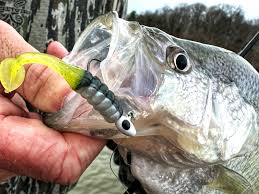
Have you ever stood on a quiet lake at sunrise wondering which bait will finally land that big slab crappie? Every angler knows that choosing the right bait can turn a slow day into a story you will share for years. Crappie are picky eaters with changing habits, so understanding what draws them in is the key to consistent success. In this friendly guide, we will explore proven bait options, explain when to use each one, and share practical tips that help you catch more fish every season.
Understanding Crappie Behavior
Before picking your bait, it helps to know how crappie think. These fish follow the food. In spring, they move toward shallow water to spawn. During summer and winter, they often retreat to deeper spots where temperatures stay steady. Crappie are visual hunters, so anything that flashes, wiggles, or mimics their natural prey will get their attention.
Live Bait: A Classic Choice
Many anglers still believe nothing beats live bait for crappie. The natural scent and movement are hard to replicate. Let’s look at a few favorites.
Minnows
Minnows top the list for a reason. Their shimmering scales and lively darting trigger a crappie’s instinct to strike. Use small hooks and keep the minnow active by hooking it through the lips or back. Drift fishing or slow trolling with minnows often delivers excellent results.
Worms
While not as popular as minnows, worms can be surprisingly effective. Thread a piece of nightcrawler on a small jig head and let it wiggle near submerged structures. The natural scent appeals to crappie, especially in muddy water where visibility is low.
Insects and Grubs
In late spring, when bugs are plentiful, crappie respond well to live insects or soft-bodied grubs. Crickets and grasshoppers are easy to hook and give a natural flutter as they sink.
Artificial Lures: Versatility at Its Best
Artificial baits shine when you need variety or plan to cover more water. Modern designs can mimic almost any prey.
Soft Plastic Jigs
Soft plastics are a staple for crappie fishing. They come in endless colors, shapes, and sizes. Tubes and curly-tail grubs work especially well. Try bright colors like chartreuse or pink on cloudy days and natural shades on clear days.
Marabou Jigs
These feathered jigs have been around for decades and remain a favorite. The feathers pulse with every movement, creating an irresistible presentation. Slowly jig them around brush piles or docks for steady action.
Crankbaits and Spinners
Small crankbaits or spinners can cover a lot of water quickly. Their flash and vibration mimic baitfish and often draw strikes from aggressive crappie, especially in warm weather.
Matching Bait to Conditions
The best crappie bait changes with seasons, water clarity, and even time of day.
- Spring: Use minnows or bright jigs near spawning beds.
- Summer: Go deeper with slow-moving soft plastics or small crankbaits.
- Fall: Crappie feed heavily; mix live bait with colorful jigs.
- Winter: Fish slowly with small minnows or tiny feather jigs.
In clear water, subtle natural colors work best. In murky water, choose baits with strong scent or bright hues to help crappie locate your offering.
Presentation Matters
How you present the bait often matters as much as what you use. Crappie can be cautious. Use light line, usually four to six pounds, to keep the setup invisible. Retrieve slowly and pause often to mimic injured prey. Vertical jigging over brush piles or slow trolling along drop-offs keeps your bait in the strike zone longer.
Tips from Seasoned Anglers
- Experiment with Depth: Crappie move up and down in the water column throughout the day. Adjust your bobber or jigging depth until you find them.
- Keep It Small: These fish have small mouths, so use small hooks and compact baits.
- Mind the Weather: After a cold front, crappie often slow down. Fish even more slowly and use subtle baits.
- Stay Quiet: Noise and sudden movements can scatter a school. Approach gently and keep your casts soft.
DIY Bait Options
Want to save money and add a personal touch? Many anglers create their own crappie baits. Homemade dough balls infused with garlic or anise can tempt fish in slow conditions. You can also customize soft plastics by blending colors or adding scent.
Scent Attractants: A Helpful Boost
Adding scent can turn a good bait into a great one. Commercial attractants with shad or garlic flavor help when the bite is slow. Dab a small amount on jigs or soft plastics to make them more appealing.
Common Mistakes to Avoid
- Using Bait That’s Too Large: Oversized minnows or jigs can discourage strikes.
- Ignoring Seasonal Patterns: Fishing shallow in midsummer rarely pays off.
- Neglecting Tackle Maintenance: Dull hooks and frayed line reduce your chances.
Putting It All Together
Catching crappie consistently comes down to matching the right bait with smart presentation. Start with live minnows if you are unsure, then experiment with soft plastics or feather jigs as you learn the lake. Remember that every body of water is different, so stay observant and flexible.
Final Cast
So, what is the best crappie bait? The honest answer is that it depends on the day, the season, and even the mood of the fish. By understanding crappie habits, using proven live and artificial options, and paying attention to water conditions, you will always be ready for action. Grab a light rod, pick a few of these baits, and head to the water—your next big catch is waiting. best crappie bait