Work Life Balance Tips: How Can You Find Harmony Between Career and Personal Life?
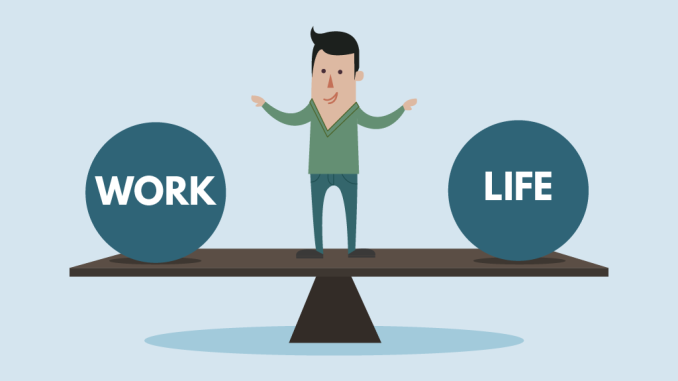
Do you ever feel like your job takes up so much space in your life that you barely have time to breathe? Many people face this challenge. The constant pressure of deadlines, meetings, and responsibilities often leaves little energy for family, friends, and personal joy. But here’s the truth: achieving balance between work and life is not only possible—it’s necessary for long-term happiness and success.
Work-life balance does not mean splitting everything perfectly down the middle. Instead, it’s about finding harmony, making intentional choices, and creating space for both professional goals and personal well-being. In this article, we’ll explore practical and realistic tips that can help you reclaim balance and live a more fulfilling life.
Understanding What Balance Really Means
Before we dive into tips, it’s important to understand what balance looks like. For one person, it may mean spending more time with family. For another, it could mean having enough personal space to pursue hobbies. Balance is personal, and it often shifts depending on your stage of life.
The key is recognizing when one side is taking too much energy. If your job leaves you exhausted every night, it’s a signal that adjustments are needed. Understanding this is the first step to building a healthier rhythm.
Set Clear Boundaries Between Work and Personal Time
One of the most effective work-life balance tips is learning to set boundaries. In today’s digital world, work often follows us home through emails and messages. Without boundaries, it becomes easy to feel like you are always “on.”
Try creating a routine where you log off at a certain time each evening. Turn off notifications when you’re having dinner or spending time with loved ones. By protecting personal hours, you give your mind space to recharge. Boundaries may feel difficult at first, but they are essential for your well-being.
Learn to Prioritize Tasks
Not all tasks deserve the same level of attention. Some are urgent, while others can wait. A smart way to create balance is by prioritizing. Start each day by identifying your top three tasks. Focus on completing those first before getting lost in endless to-do lists.
This approach not only reduces stress but also makes you feel more accomplished. When you focus on what truly matters, you finish the day with a sense of control rather than exhaustion.
Say No Without Guilt
Many people struggle with saying “no,” especially at work. We worry about disappointing colleagues or missing opportunities. But taking on too much only leads to burnout.
Learning to decline tasks or commitments that don’t align with your goals is a sign of strength, not weakness. It allows you to give your best energy to the things that matter most. Saying no with respect and confidence is one of the best life skills you can develop.
Make Time for Physical Health
Your body is your foundation. Without good health, it becomes impossible to maintain balance. Regular exercise, even something as simple as a 20-minute walk, can boost energy and improve mood.
Eating nourishing meals and getting enough sleep are equally important. Instead of treating health as an afterthought, make it a daily priority. Think of exercise and rest as investments in your ability to perform well both at work and in life.
Use Technology Wisely
Technology can either help you or overwhelm you. The constant ping of emails and notifications often disrupts focus and steals personal time. On the other hand, tools like calendars, task managers, and reminder apps can make life easier.
The key is using technology with intention. Limit screen time outside of work, and lean on apps that actually support productivity. This balance helps you stay in control rather than feeling controlled by your devices.
Create a Comfortable Work Environment
Whether you work in an office or from home, your environment has a huge impact on your balance. A cluttered desk or noisy space can drain energy and reduce focus. On the other hand, a clean, organized, and comfortable workspace makes tasks easier to manage.
Adding small touches like plants, good lighting, or ergonomic furniture can make a big difference. When your workspace feels welcoming, it becomes easier to transition into and out of work mode.
Practice Time Management
One of the biggest challenges people face is feeling like there aren’t enough hours in the day. But often, it’s less about time and more about how we manage it.
Break projects into smaller steps, use timers to stay focused, and schedule breaks to avoid burnout. Instead of multitasking, try focusing on one task at a time. Time management allows you to work smarter, not harder, leaving more space for personal life.
Nurture Personal Relationships
Work is important, but relationships bring meaning to our lives. Choosing to spend quality time with family and friends strengthens emotional health. Even simple activities like cooking together, watching a movie, or having an honest conversation can make bonds stronger.
When you invest time in people who matter, you create a support system that helps you through challenges. Balance is not just about how you manage work—it’s about how you nurture love and connection outside of it.
Don’t Ignore Mental Health
In the chase for career success, mental health often gets overlooked. But stress, anxiety, and burnout take a serious toll if left unchecked. Making time for relaxation, mindfulness, or therapy is not optional—it’s essential.
Meditation, journaling, or even taking short breaks during the day can keep your mind refreshed. Protecting mental health is one of the smartest decisions you can make for long-term balance.
Pursue Hobbies and Interests
Life becomes richer when you dedicate time to personal passions. Whether it’s painting, playing music, gardening, or reading, hobbies give you a sense of joy and self-expression.
These activities are not just “extras.” They provide balance by reminding you that life is more than work. Making time for hobbies gives you something to look forward to outside of professional duties.
Take Vacations Without Guilt
Vacations are not a luxury—they are a necessity. Taking time off helps you recharge and return to work with fresh energy. Even short getaways or staycations can provide relief from daily routines.
The key is to fully disconnect during this time. Avoid checking emails or worrying about work tasks. Choosing rest is not laziness—it’s a powerful tool for productivity and happiness.
Practice Gratitude Daily
A simple but powerful way to improve balance is practicing gratitude. Each day, take a moment to reflect on what you are thankful for—whether it’s good health, supportive colleagues, or a peaceful morning coffee.
Gratitude shifts your focus from what is missing to what is already present. This mindset reduces stress and increases happiness, creating a more balanced perspective on life.
Delegate When Possible
At work and at home, many people carry more responsibilities than they need to. Learning to delegate tasks is a smart way to reduce pressure. At work, this means trusting your team. At home, it may mean sharing chores with family members.
Delegation does not mean weakness—it means efficiency. By letting go of unnecessary control, you create space for priorities that truly matter.
Be Flexible and Adaptable
Balance does not look the same every day. Some weeks, work may demand more attention. Other times, personal life takes priority. Instead of chasing a perfect 50-50 split, aim for flexibility.
Adaptability allows you to handle life’s unexpected changes without feeling guilty. This mindset keeps you calm and focused, even when things don’t go according to plan.
Focus on Quality, Not Quantity
When it comes to both work and personal life, quality matters more than quantity. It’s not about how many hours you spend but how meaningful those hours are.
Spending one focused hour with family can be more fulfilling than a distracted evening. Similarly, producing high-quality work matters more than being busy all day. Choosing quality creates real balance.
Why Work-Life Balance Matters
Finding balance is not just about reducing stress—it’s about creating a life that feels whole. When work and personal life support each other, you feel energized, productive, and content. Without balance, even success can feel empty.
Making small, intentional choices every day adds up. From setting boundaries to nurturing health, these tips transform the way you experience both career and personal life.
Final Thoughts
Work-life balance is not a destination—it’s an ongoing journey. It requires awareness, practice, and adjustments along the way. By setting boundaries, prioritizing health, nurturing relationships, and making time for passions, you can create harmony between work and life.
So ask yourself—what small change can you make today to bring more balance into your life? Because every choice you make shapes the quality of your tomorrow.