What Is Smart Home Technology and How Is It Transforming Our Lives?
Introduction to Smart Home Technology
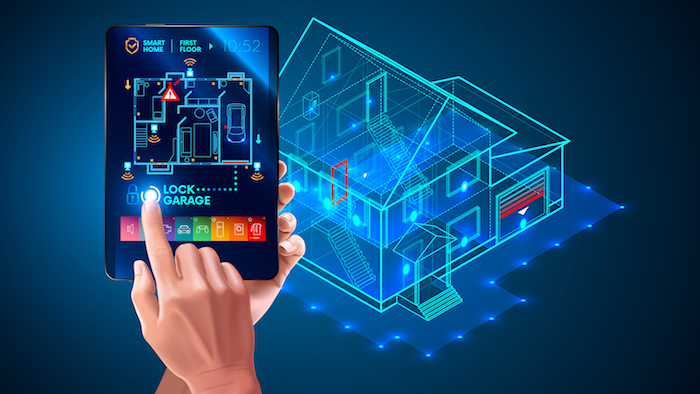
In recent years, the concept of smart home technology has moved from science fiction into reality. Once considered a luxury for tech enthusiasts, it is now becoming a standard feature in modern homes. This technology connects household devices to the internet, enabling automation, remote control, and seamless integration between appliances, lighting, security systems, and more. It combines convenience, efficiency, and innovation to make daily living easier and more enjoyable.
The Evolution of Smart Home Technology
Smart home technology has evolved rapidly in the past two decades. Initially, it started with basic home automation systems for lighting and heating. With the rise of the internet, smartphones, and artificial intelligence, the range of possibilities has expanded dramatically. Today, smart homes can include voice-controlled assistants, energy-efficient thermostats, automated security systems, and even AI-powered appliances.
Early Stages
- Manual timers for lights and appliances.
- Simple programmable thermostats.
- Basic security cameras.
Modern Developments
- Voice-activated smart assistants.
- AI learning systems that adapt to user habits.
- Integration with renewable energy solutions.
Key Components of Smart Home Technology
A fully functional smart home is built on several interconnected devices and systems, all designed to communicate with each other.
1. Smart Assistants
Voice-activated devices like smart speakers serve as the central hub for controlling various systems in the home.
2. Smart Lighting
Lights can be dimmed, scheduled, or even changed in color using a smartphone app or voice command.
3. Smart Thermostats
These devices monitor temperature patterns and adjust settings automatically to save energy and improve comfort.
4. Smart Security Systems
From doorbell cameras to motion sensors, security systems can send real-time alerts to homeowners.
5. Smart Appliances
Refrigerators that track grocery lists, ovens that can be preheated remotely, and washing machines that notify you when cycles are complete.
How Smart Home Technology Works
The backbone of smart home technology is the Internet of Things (IoT), a network of devices connected via the internet. Each device contains sensors, processors, and communication hardware that allow them to collect data, share it with other devices, and respond to user commands.
Communication Methods
- Wi-Fi: Most common for high-bandwidth devices.
- Bluetooth: Short-range, low-power connections.
- Zigbee/Z-Wave: Specialized low-energy networks for smart home devices.
Benefits of Smart Home Technology
Smart home technology offers multiple advantages that are driving its adoption worldwide.
1. Convenience
Users can control home systems remotely from anywhere in the world.
2. Energy Efficiency
Automated lighting, smart thermostats, and energy monitoring help reduce electricity consumption.
3. Security
Surveillance systems provide constant monitoring and can alert authorities if necessary.
4. Comfort
Customized settings for lighting, temperature, and entertainment improve the overall living experience.
Challenges and Concerns
Despite its many benefits, smart home technology is not without challenges.
1. Privacy Issues
Connected devices collect a significant amount of personal data, raising concerns about misuse.
2. Cost
High-end smart home setups can be expensive to purchase and install.
3. Compatibility
Not all smart devices work seamlessly with each other, requiring careful selection of products.
Popular Smart Home Technology Trends
As technology advances, several trends are shaping the future of smart homes.
AI Integration
Devices are becoming more intelligent, learning user habits to offer personalized suggestions.
Voice and Gesture Control
Control systems without the need for physical interaction.
Sustainability Focus
Integration with solar panels, water-saving systems, and energy storage.
Interconnected Ecosystems
Complete home systems where appliances, security, and entertainment are all linked.
Smart Home Technology in Everyday Life
Imagine waking up to an alarm that gently raises the blinds, adjusts the thermostat, and starts brewing coffee. Throughout the day, lights adjust based on natural sunlight, and your security system monitors your home while you’re away. This level of automation is not just convenient—it’s life-changing.
The Role of Artificial Intelligence
AI takes smart home technology to another level by enabling predictive behavior. For example:
- Learning your preferred room temperature and adjusting automatically.
- Suggesting energy-saving tips based on usage patterns.
- Detecting unusual activities and alerting you instantly.
The Impact on Real Estate
Smart home features are increasingly becoming selling points in real estate. Homes equipped with automation systems often have higher resale values and attract tech-savvy buyers.
Future of Smart Home Technology
The future looks promising with advances in:
- 5G connectivity for faster device communication.
- Enhanced AI for better automation.
- Improved interoperability between different brands and devices.
- Eco-friendly solutions for a sustainable lifestyle.
Conclusion
Smart home technology is transforming how we live, offering a blend of convenience, efficiency, and innovation. While privacy and cost remain concerns, the growing adoption and advancements in AI and IoT indicate that the future of living is becoming more intelligent. With the potential to enhance comfort, save energy, and improve security, smart home technology is not just a trend—it’s the next stage of modern living. smart home technology