How to Reduce Anxiety Naturally: What Are the Most Effective Ways?
Anxiety has become one of the most common mental health challenges in today’s fast-paced world. Whether it’s due to work stress, personal relationships, financial pressures, or even the constant overload of digital information, many people are searching for healthier, non-medication-based solutions. Learning how to reduce anxiety naturally can help you achieve calmness without relying on synthetic drugs, which sometimes come with side effects.
This guide will cover effective natural remedies, daily lifestyle habits, relaxation techniques, and scientifically supported strategies to help you manage anxiety in a sustainable way.
Understanding Anxiety and Its Natural Triggers
Before exploring natural solutions, it’s important to understand what anxiety is and how it works. Anxiety is a natural human response to stress or perceived danger. While short-term anxiety can sharpen focus and prepare the body for quick action, chronic anxiety can disrupt mental and physical health.
Common triggers of anxiety include:
- Overthinking and excessive worrying
- Lack of sleep or poor sleep quality
- Caffeine and sugar overconsumption
- Hormonal changes
- High work or academic pressure
- Traumatic experiences
- Social media overload
When these triggers become constant, the body remains in a state of tension, which can lead to long-term health problems if not addressed.
Why Choose Natural Methods to Reduce Anxiety?
Many people turn to natural remedies because:
- Fewer Side Effects – Natural approaches often avoid the risks associated with certain medications.
- Long-Term Benefits – Healthy lifestyle changes not only reduce anxiety but also improve overall well-being.
- Accessibility – Many natural solutions are cost-effective and can be implemented daily without a prescription.
- Empowerment – Learning to control anxiety naturally gives you a sense of self-reliance.
Lifestyle Changes to Reduce Anxiety Naturally
Making small but consistent lifestyle adjustments can dramatically improve mental health.
1. Improve Sleep Quality
Poor sleep can intensify anxiety. Create a bedtime routine that includes:
- Going to bed and waking up at the same time daily
- Avoiding caffeine and electronics before bed
- Using relaxation methods like deep breathing or meditation before sleeping
2. Maintain a Balanced Diet
A healthy diet supports brain chemistry.
- Include omega-3-rich foods like salmon, flaxseeds, and walnuts.
- Eat magnesium-rich foods such as spinach, almonds, and pumpkin seeds.
- Limit processed sugars and caffeine, which can trigger anxious feelings.
3. Stay Physically Active
Regular exercise releases endorphins—natural mood enhancers. Activities like brisk walking, yoga, cycling, or swimming can reduce stress hormones and promote relaxation.
Mind-Body Practices to Ease Anxiety
4. Practice Deep Breathing
Controlled breathing helps slow down the heart rate and calm the nervous system.
Example technique:
- Inhale deeply for 4 seconds
- Hold for 4 seconds
- Exhale slowly for 6–8 seconds
- Repeat for 5 minutes
5. Try Yoga and Stretching
Yoga combines physical postures, breathing exercises, and meditation, all of which reduce tension in the body and mind.
6. Meditation and Mindfulness
Meditation helps you focus on the present moment rather than worrying about the past or future. Even 10 minutes daily can reduce anxiety symptoms.
Herbal and Natural Remedies for Anxiety
7. Chamomile Tea
Chamomile contains antioxidants that may help reduce inflammation and promote calmness.
8. Lavender
Lavender aromatherapy or tea can have a soothing effect, helping to lower stress levels.
9. Ashwagandha
This adaptogenic herb has been used in Ayurvedic medicine for centuries to help the body cope with stress.
10. Lemon Balm
Lemon balm tea or supplements may reduce nervousness and improve mood.
Reducing Anxiety Through Mental Habits
11. Positive Self-Talk
Replace negative thoughts with encouraging ones.
Example: Instead of saying, “I can’t handle this,” say, “I’ll take it one step at a time.”
12. Gratitude Journaling
Writing down things you’re grateful for shifts your focus away from fear and towards positivity.
13. Time Management
Organizing your day prevents overwhelming feelings caused by last-minute stress.
The Role of Social and Emotional Support
14. Talk to a Friend or Family Member
Sharing your worries with someone you trust can reduce the feeling of isolation.
15. Limit Social Media Use
Excessive screen time can increase comparison-based anxiety. Set daily limits for social apps.
16. Join a Support Group
Being part of a group with similar experiences can help you learn new coping strategies.
Environmental Changes to Promote Calmness
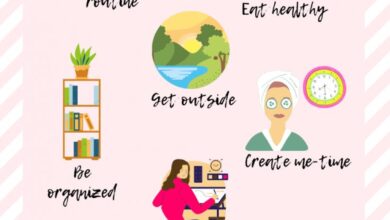
17. Create a Relaxing Space
A clean, organized environment reduces mental clutter. Add plants, calming scents, or soft lighting.
18. Spend Time in Nature
Nature exposure reduces cortisol levels and helps clear the mind.
19. Listen to Calming Music
Soft instrumental or nature sounds can relax brain activity.
Building a Daily Anxiety-Reduction Routine
A structured daily plan can make anxiety management a consistent habit.
Example Routine:
- Morning: Stretch, drink herbal tea, write in a gratitude journal.
- Afternoon: Take a 15-minute walk outdoors.
- Evening: Do 10 minutes of meditation, avoid screens, and enjoy a relaxing bath before bed.
When to Seek Professional Help
While learning how to reduce anxiety naturally can be highly effective, there are times when anxiety may require professional attention. If you experience:
- Persistent anxiety that disrupts daily life
- Frequent panic attacks
- Physical symptoms like chest pain, dizziness, or breathing problems
- Anxiety that prevents you from leaving home or engaging in normal activities
It’s important to seek help from a therapist or counselor.
Final Thoughts
Learning how to reduce anxiety naturally is about creating a balanced lifestyle that supports both mind and body. From improving sleep quality and eating nutrient-rich foods to practicing mindfulness and using herbal remedies, there are many ways to manage anxiety without medication. By adopting these strategies consistently, you can experience more calm, clarity, and control over your mental health. blogvista.co.uk/